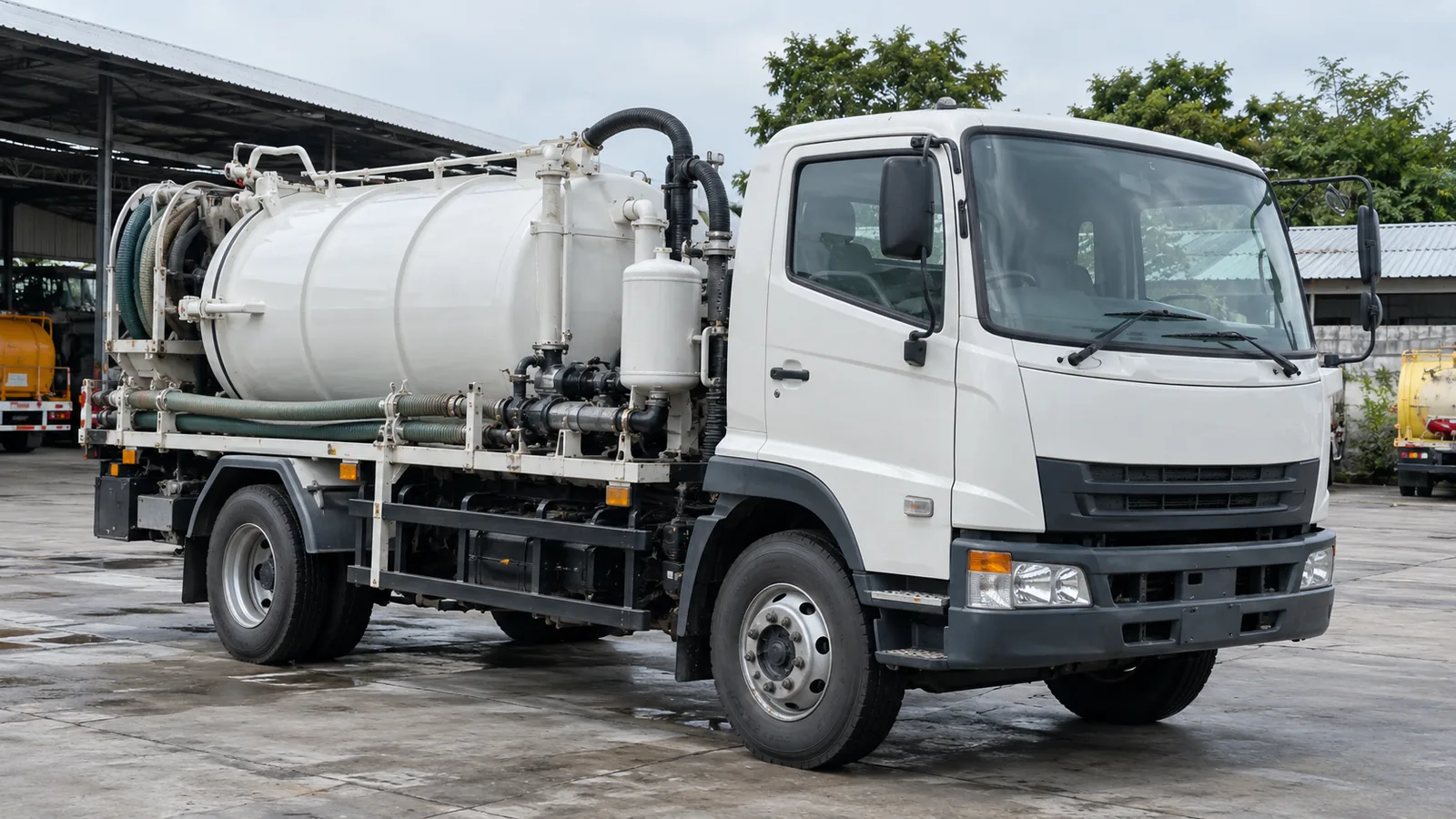
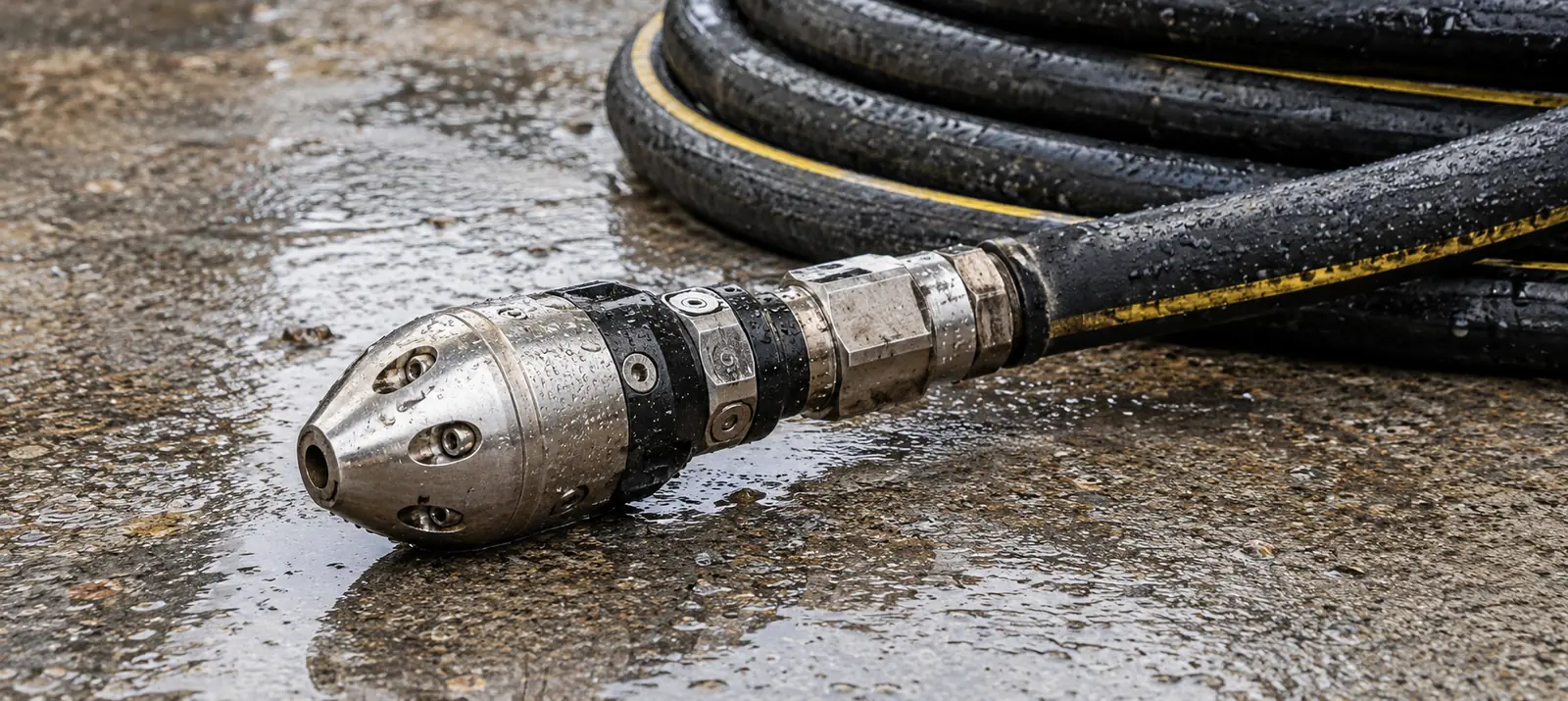
The highest pressure number on a brochure is not enough to choose a sewer-jetting truck. Pressure at the working nozzle helps cut or loosen a blockage; water flow helps move loosened material down the pipe. Hose length, diameter, nozzle type, water supply and the pipe itself all affect the result.
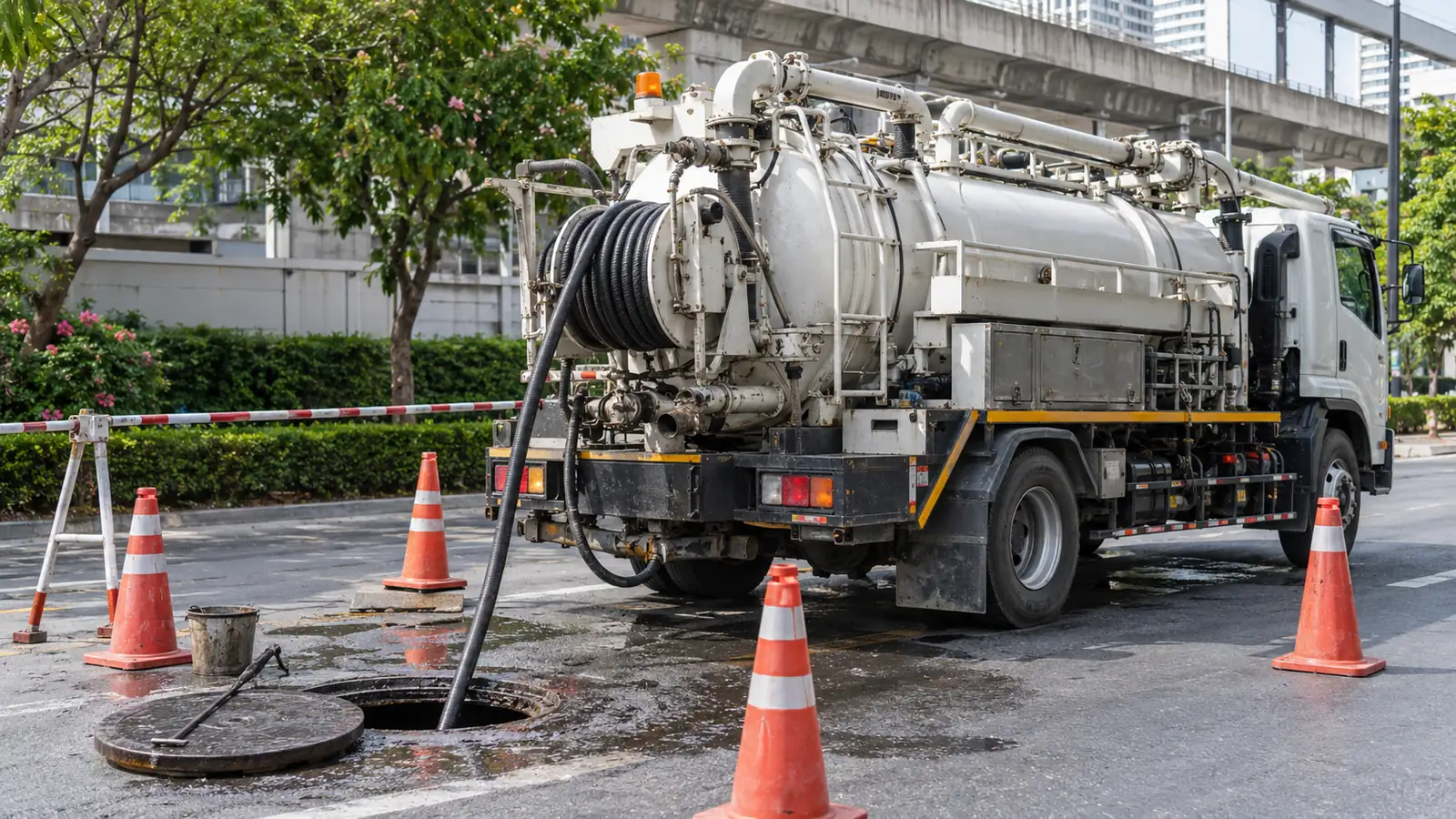
Diagnose the job first
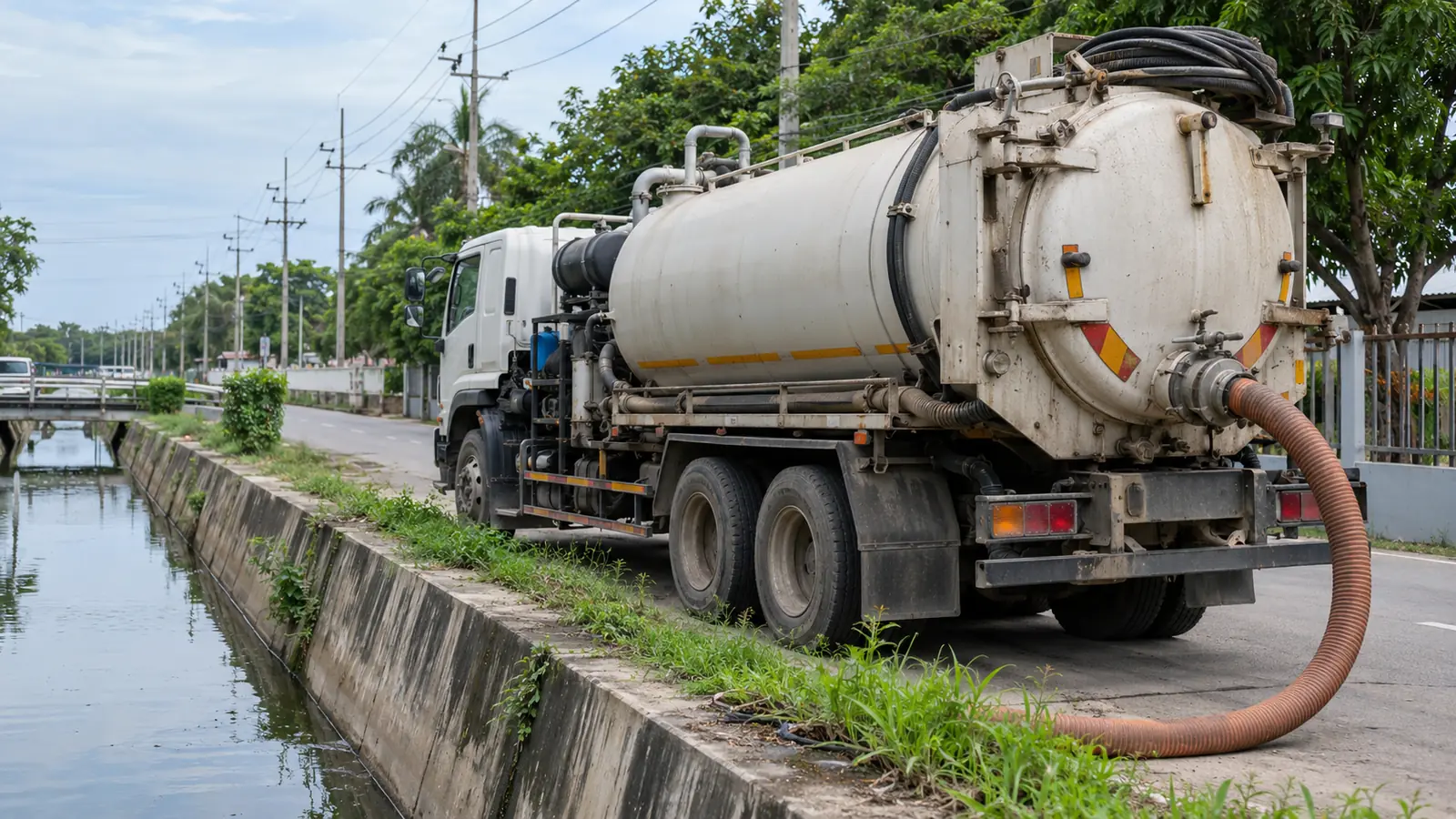
Record pipe diameter, length and access points, the type and location of blockage, expected grit or grease, surrounding buildings and the available disposal route. A small pipe with a localized obstruction may need a different nozzle and operating pressure from a large drain containing sand. Confirm whether vacuum recovery is also required; jetting alone can move debris into another section rather than remove it.
| Design factor | Question to ask |
|---|---|
| Pressure at nozzle | Is it adequate for the deposit after hose losses? |
| Flow at nozzle | Can it transport loosened material without wasteful water use? |
| Hose and reel | Can the crew reach the work point safely? |
| Water capacity | How long can the system work before refilling? |
| Vacuum recovery | Where will the released sediment go? |
Calculate working time honestly
Divide usable water volume by actual jetting flow to estimate continuous spray time. For example, a 1,000 L usable supply at 100 L/min provides about ten minutes of continuous jetting before allowing for reserve and operational interruptions. This is a calculation example, not a performance promise for a listed truck. Refilling, hose movement, inspection and disposal add to the total job time.
Prevent backflow and protect the crew
Check downstream capacity and nearby private connections before jetting. Work from an appropriate access point with a plan for displaced water and sediment. Avoid directing high-pressure flow toward workers, fragile pipe sections or occupied connections. Use suitable PPE, traffic control, confined-space procedures where relevant and a safe exclusion zone around the hose and nozzle.
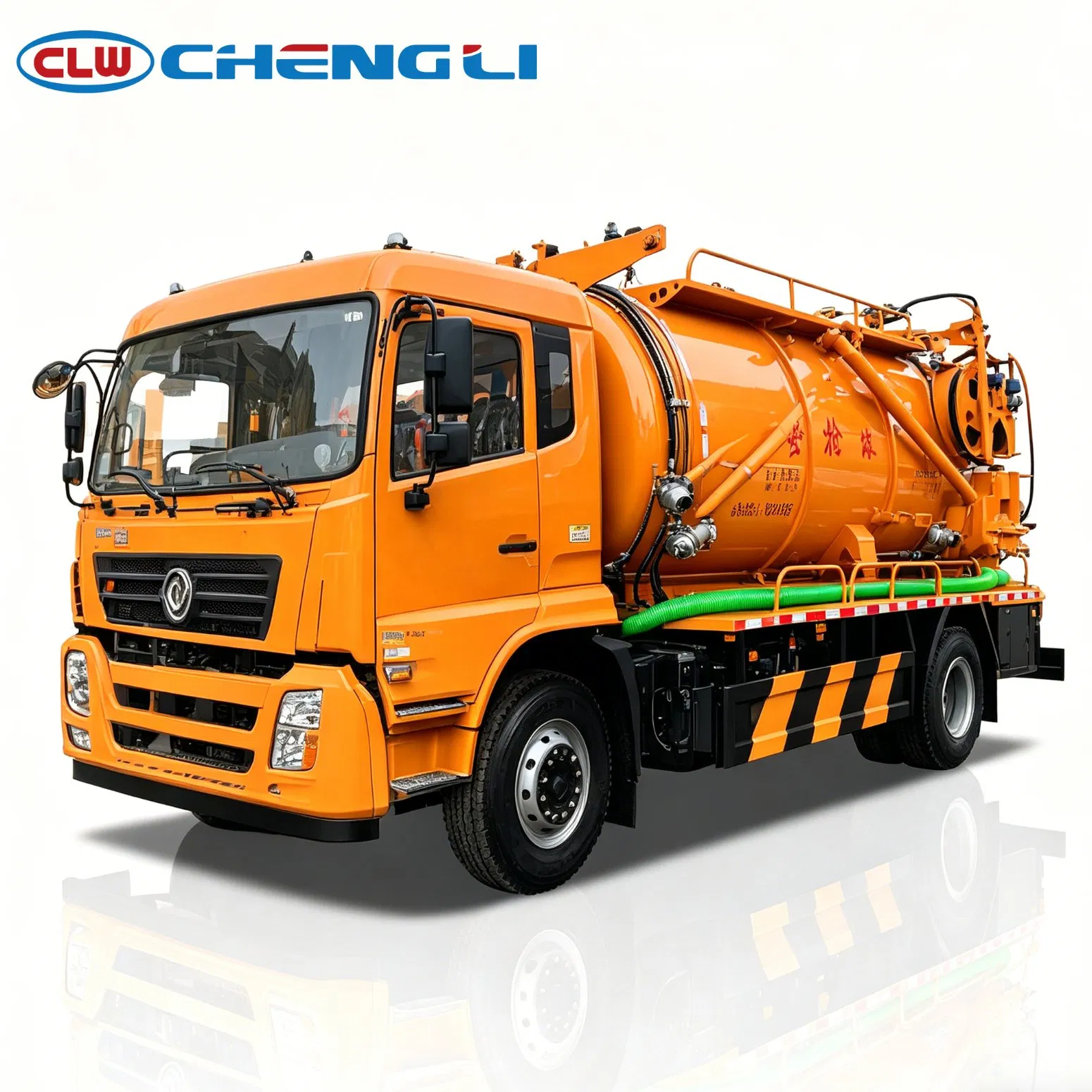
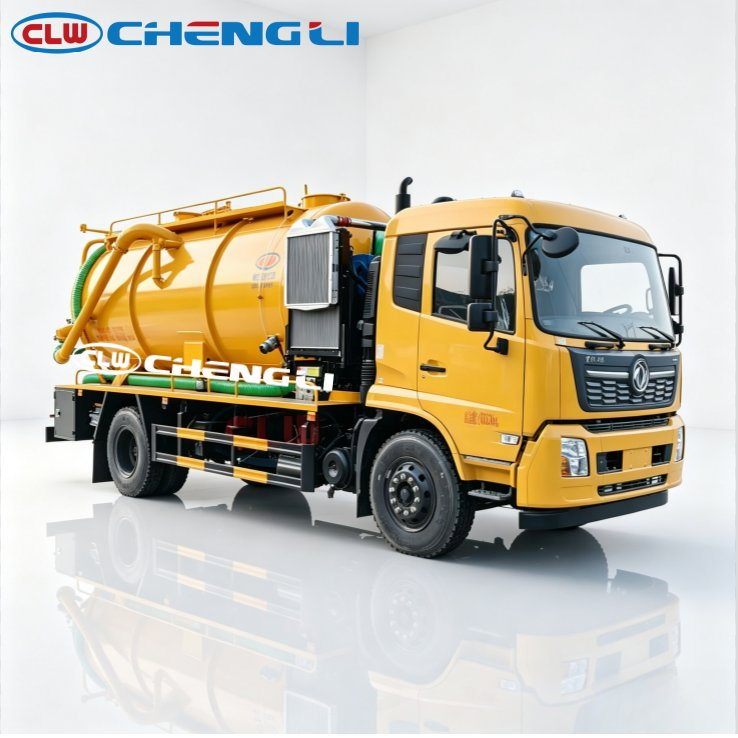
Compare the Dongfeng 6,000 L low-profile jet-vac truck, Foton 13,800 L vacuum truck with jetting option and Shacman heavy-duty jet-vac truck against the actual pipe network. The sludge-versus-vacuum guide helps decide whether vacuum recovery is essential.
Before buying, require the pump duty curve, pressure/flow at the specified nozzle, reel and hose details, water and waste capacities, safe operating instructions, loaded axle weights, right-hand drive and a practical acceptance test. Include training, spare parts and service scope in the written agreement.