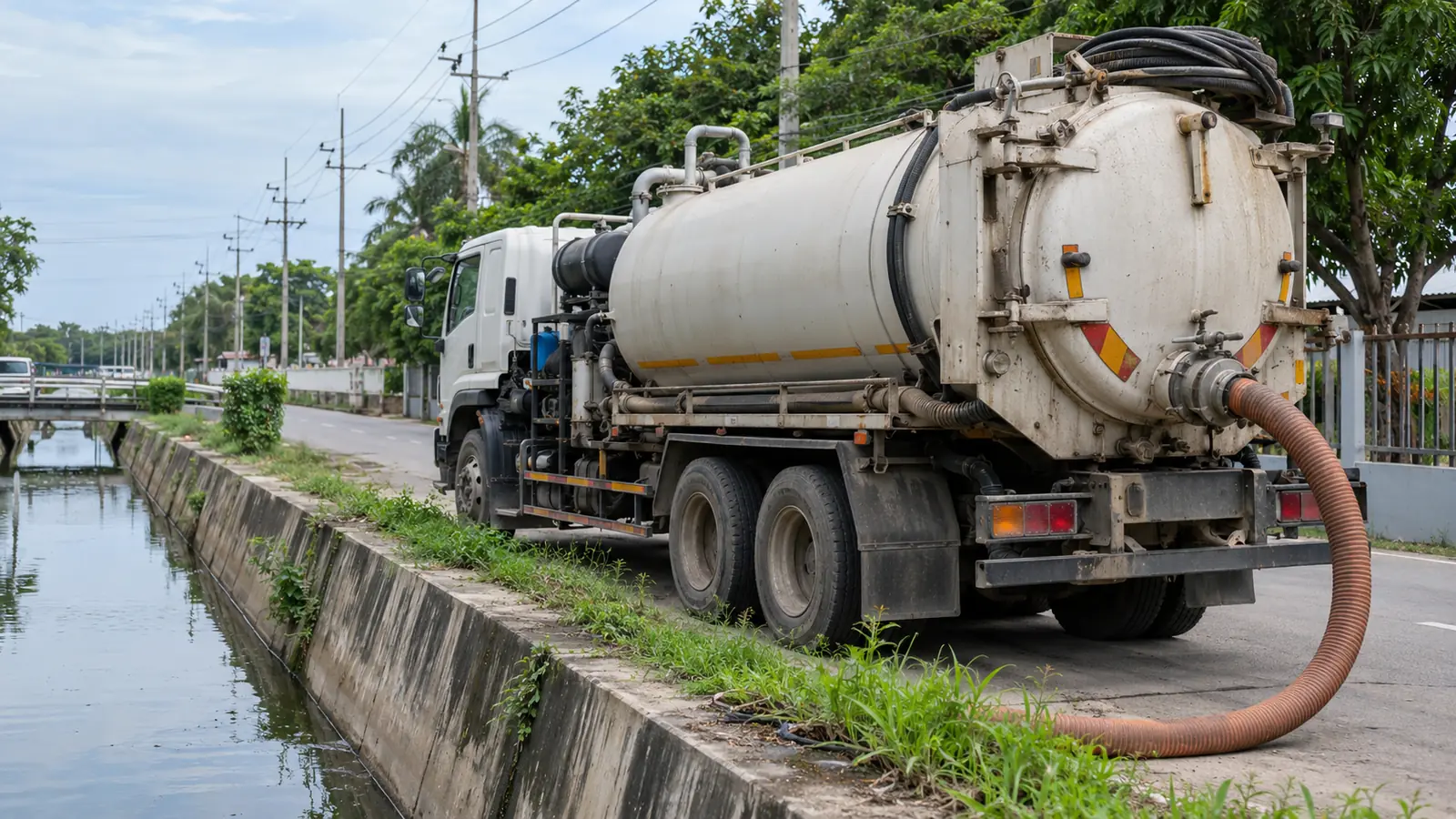
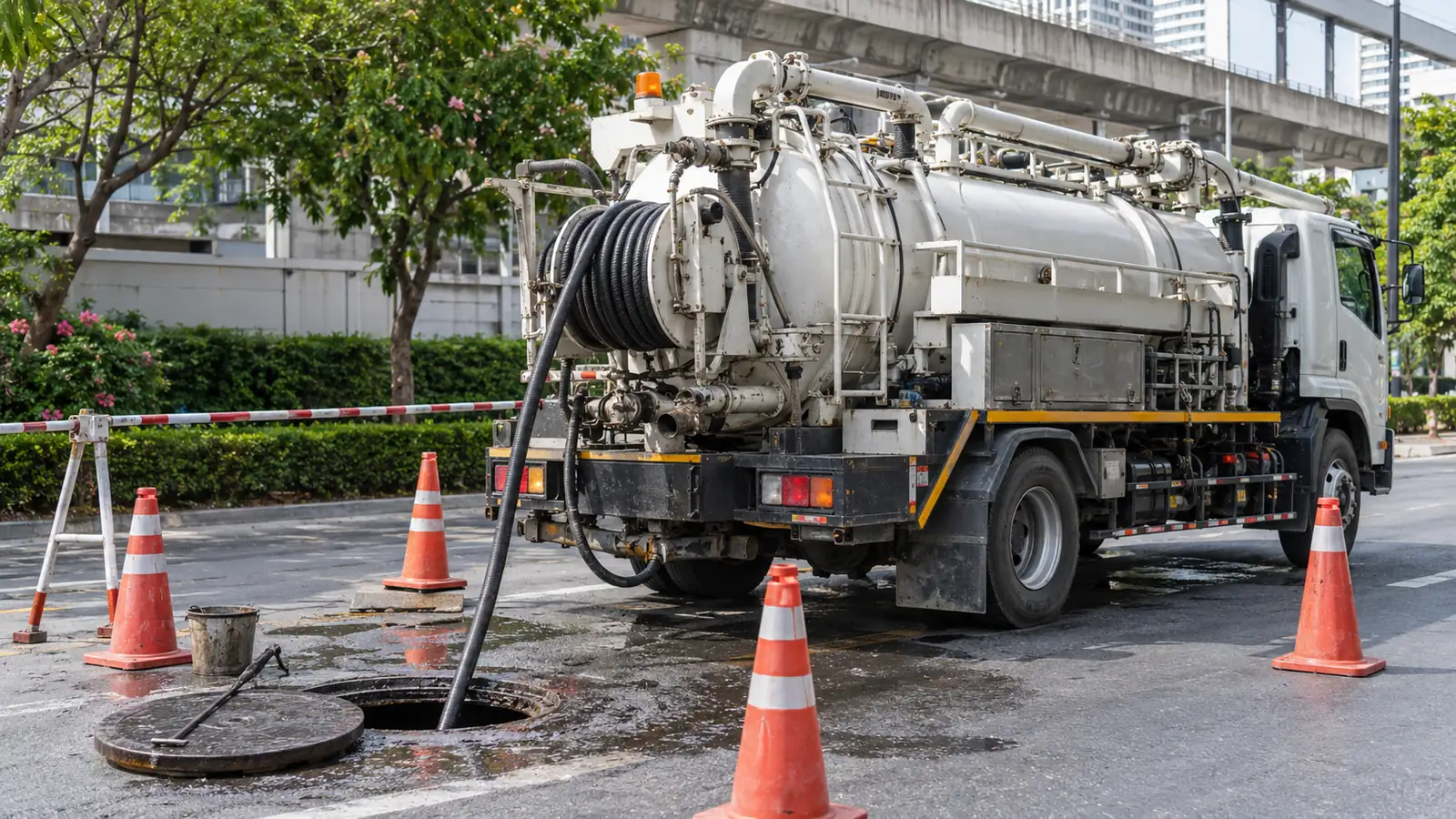
There is no useful single price for every “vacuum truck.” A compact septic-service truck and a combined high-pressure jet-vac truck differ in chassis, tank structure, pumps, controls and operating equipment. A meaningful quotation must describe the vehicle that will actually be delivered. Where no reliable model-specific price is available, a numeric range would mislead rather than help.
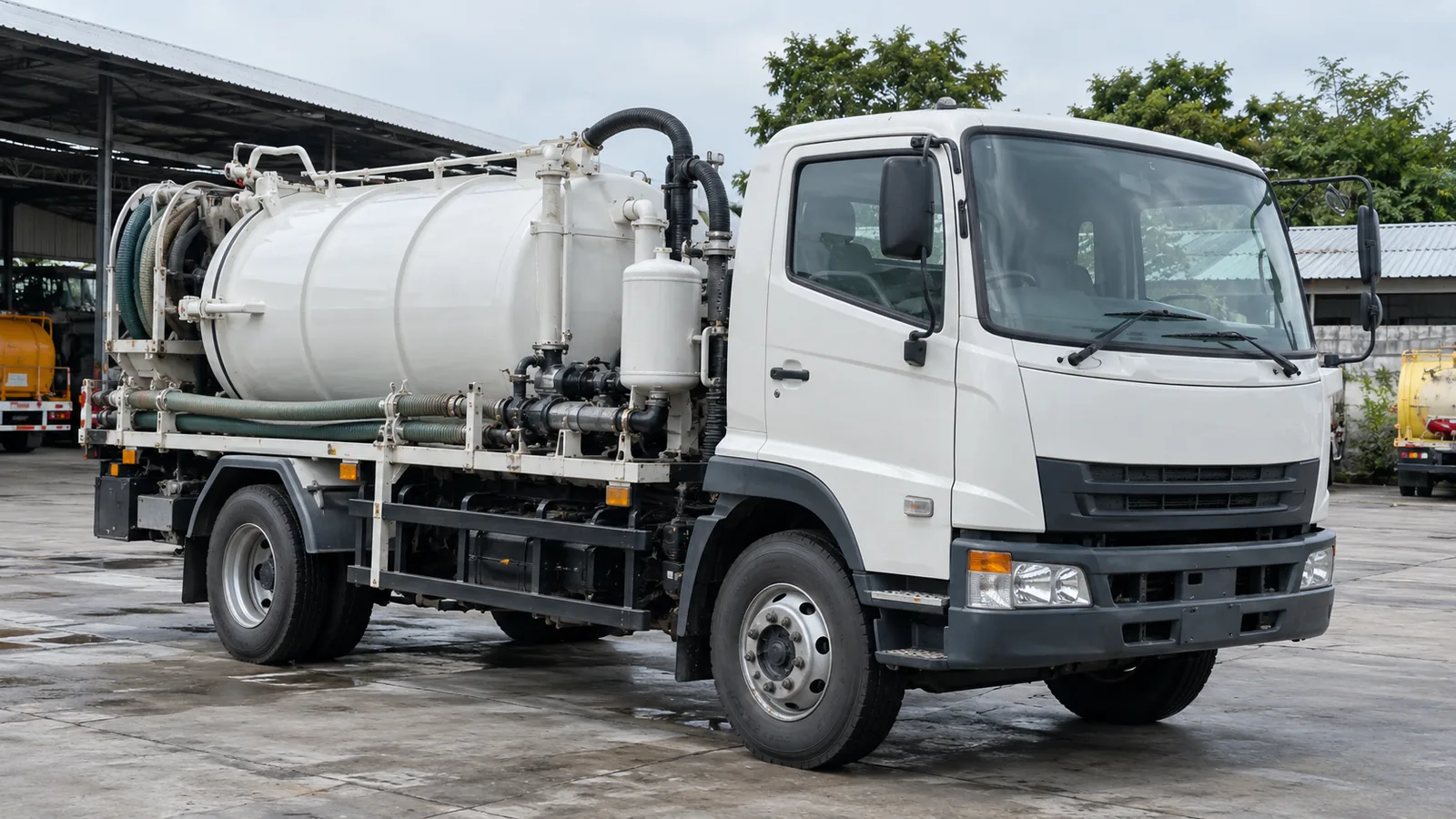
Main cost components
| Component | Why the cost changes |
|---|---|
| Chassis | Brand, axle layout, steering configuration, engine and emissions specification |
| Tank and body | Capacity, material, baffles, access and discharge design |
| Vacuum system | Pump duty, protection, filtration, hose and controls |
| Jetting option | Water tank, high-pressure pump, reel, nozzles and safety equipment |
| Delivery package | Inspection documents, training, spare parts, freight and destination requirements |
Two trucks with the same tank volume can have very different empty weights and payloads. A pump quotation should include the duty point and how performance is measured, not just a brand. A combined truck adds water and jetting equipment, which reduce payload available for collected waste.
Select by cost per useful job
First establish the typical material, daily stops, average distance to disposal, fill and discharge time, hose reach and local road limits. A lower-priced small truck may need more trips; a larger truck may not access the site or may not legally carry a full tank. Estimate trips per working day using realistic travel and unloading time, then compare fuel or electricity, maintenance, consumables and downtime.
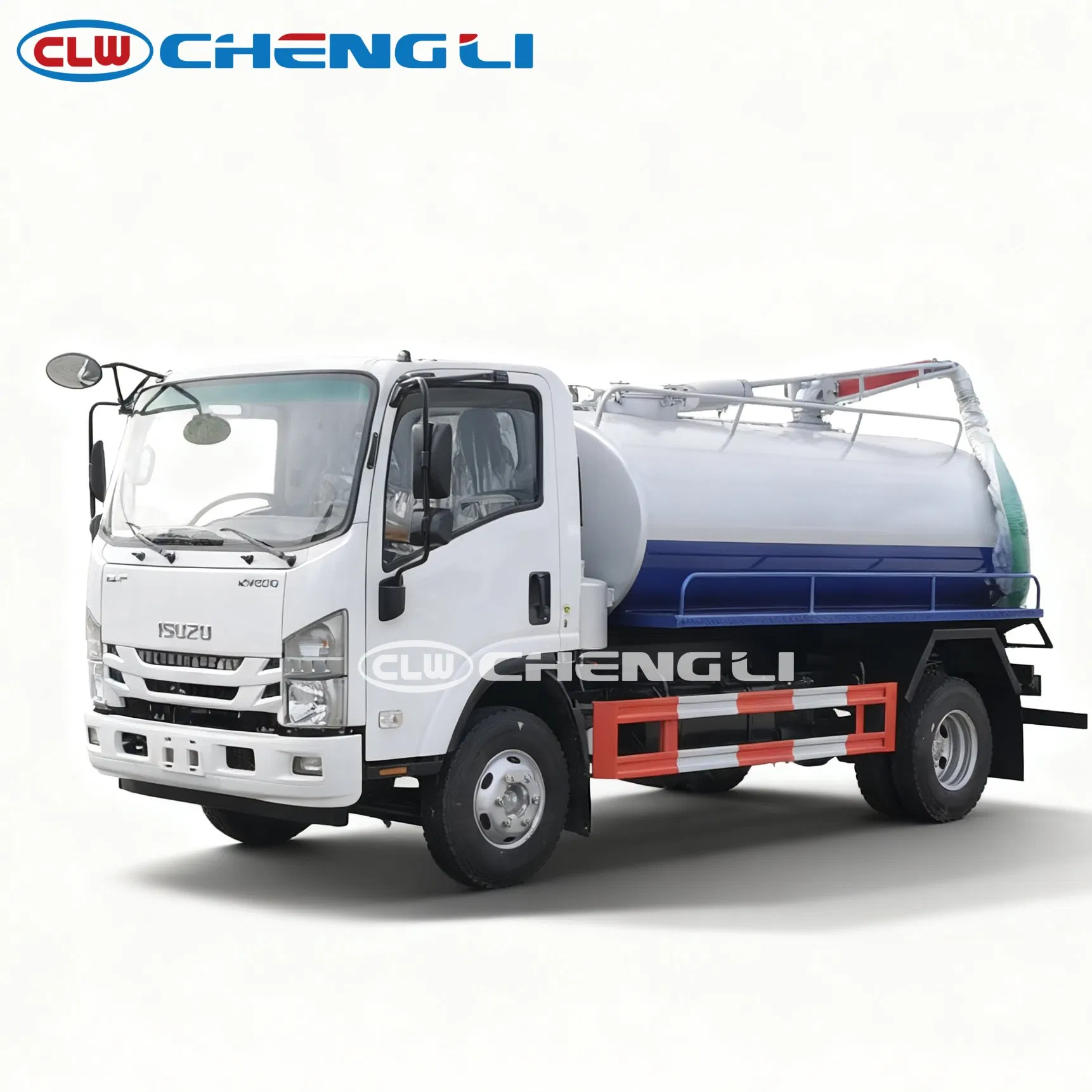
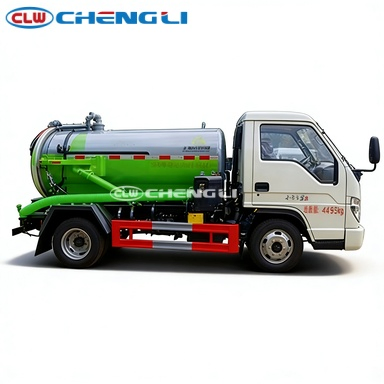
For reference configurations, inspect the 2,200 L compact vacuum truck, 6,000 L Isuzu vacuum truck and 13,800 L Foton truck with jetting option. Their individual pages and final technical agreement—not this guide—determine the actual equipment supplied. The sludge and septic-truck comparison helps match the system to the material.
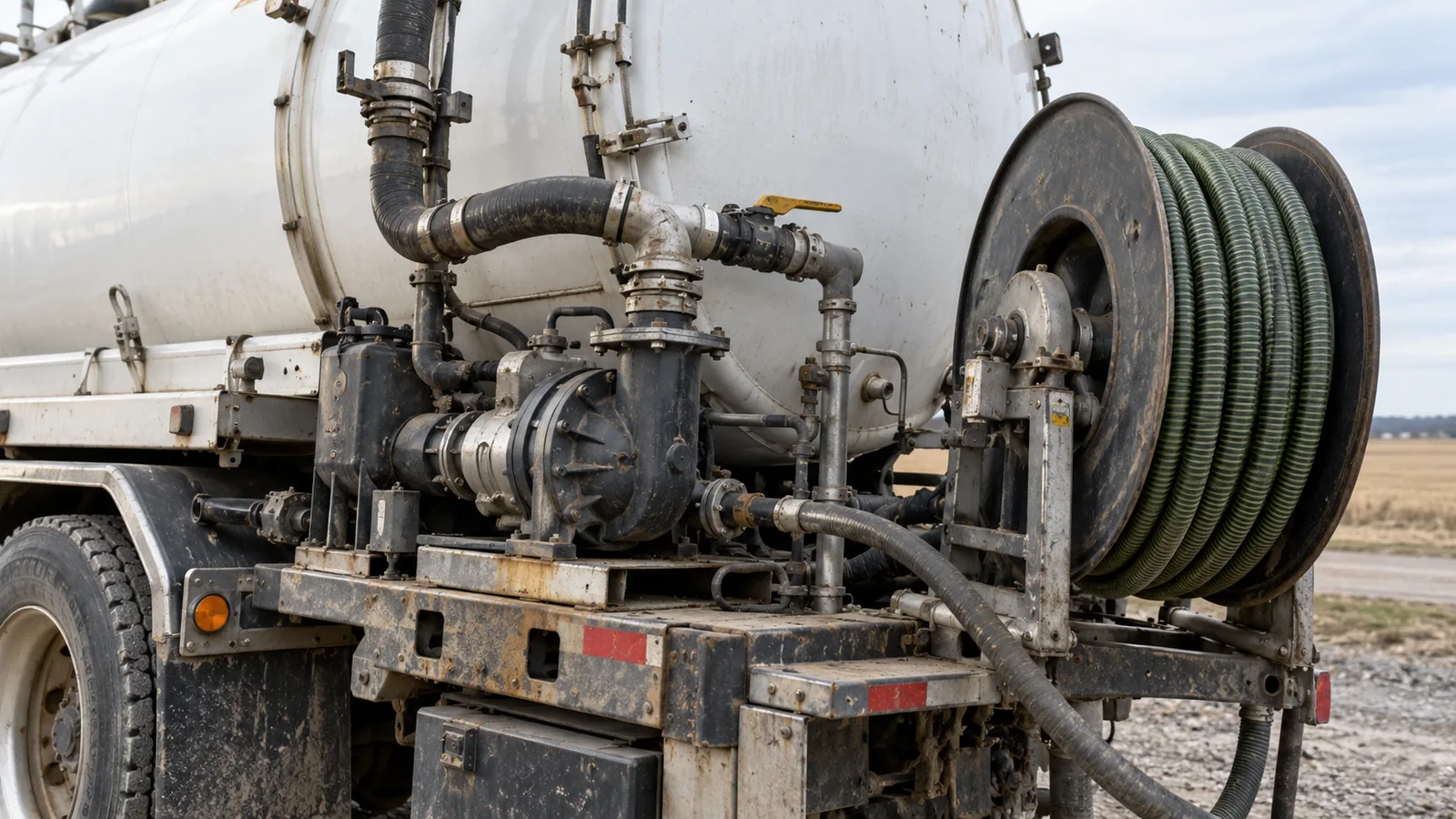
Request quotations on the same basis
Send each supplier the same specification: material type, tank and legal working capacity, chassis and right-hand drive, pump performance, hose and discharge arrangement, jetting requirements, operating hours, local documents, quantity and destination port. Require each quotation to separate base equipment, options, freight, inspection, training, parts and warranty. State the trade term, currency and validity period. Compare the complete delivered working package, not a bare vehicle headline.