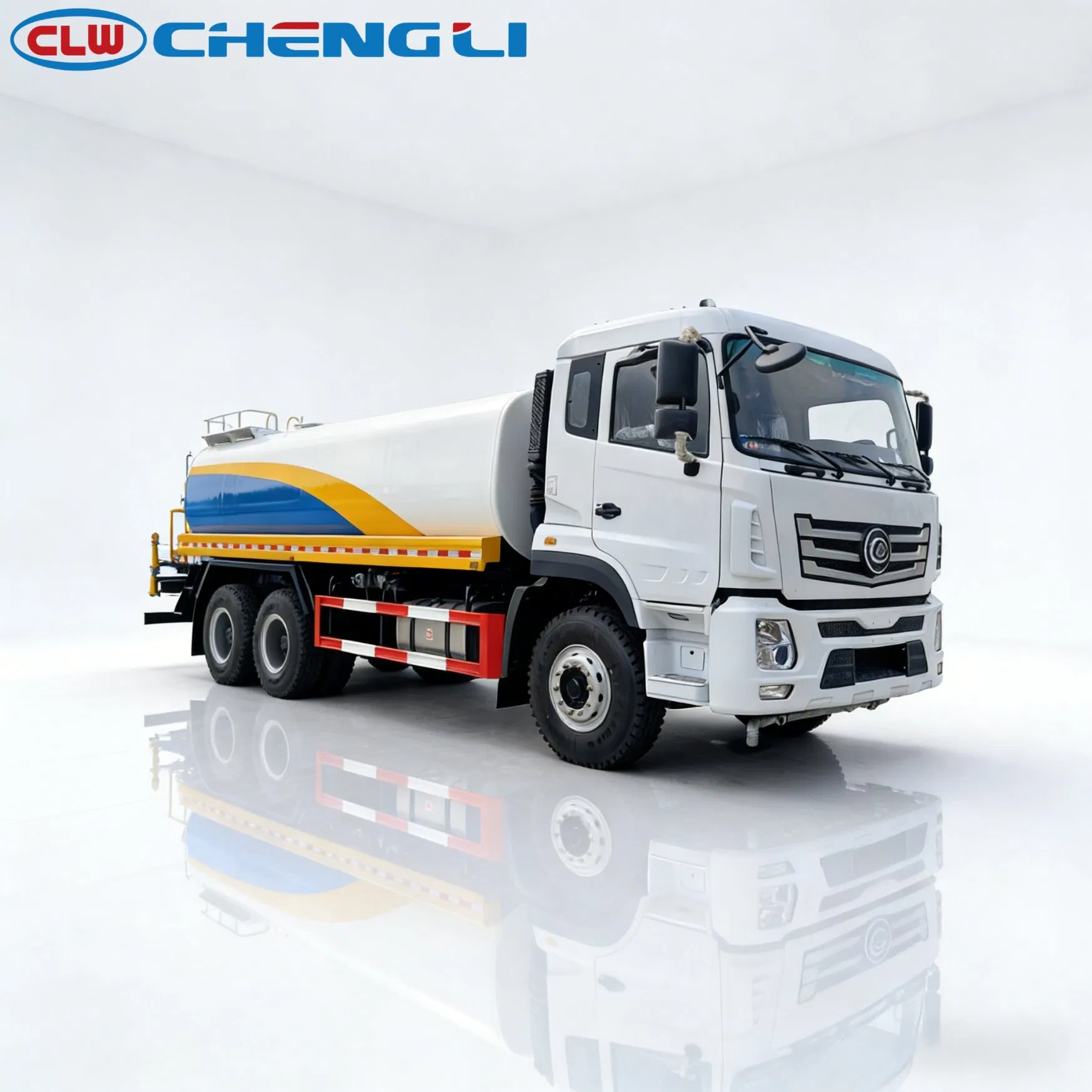
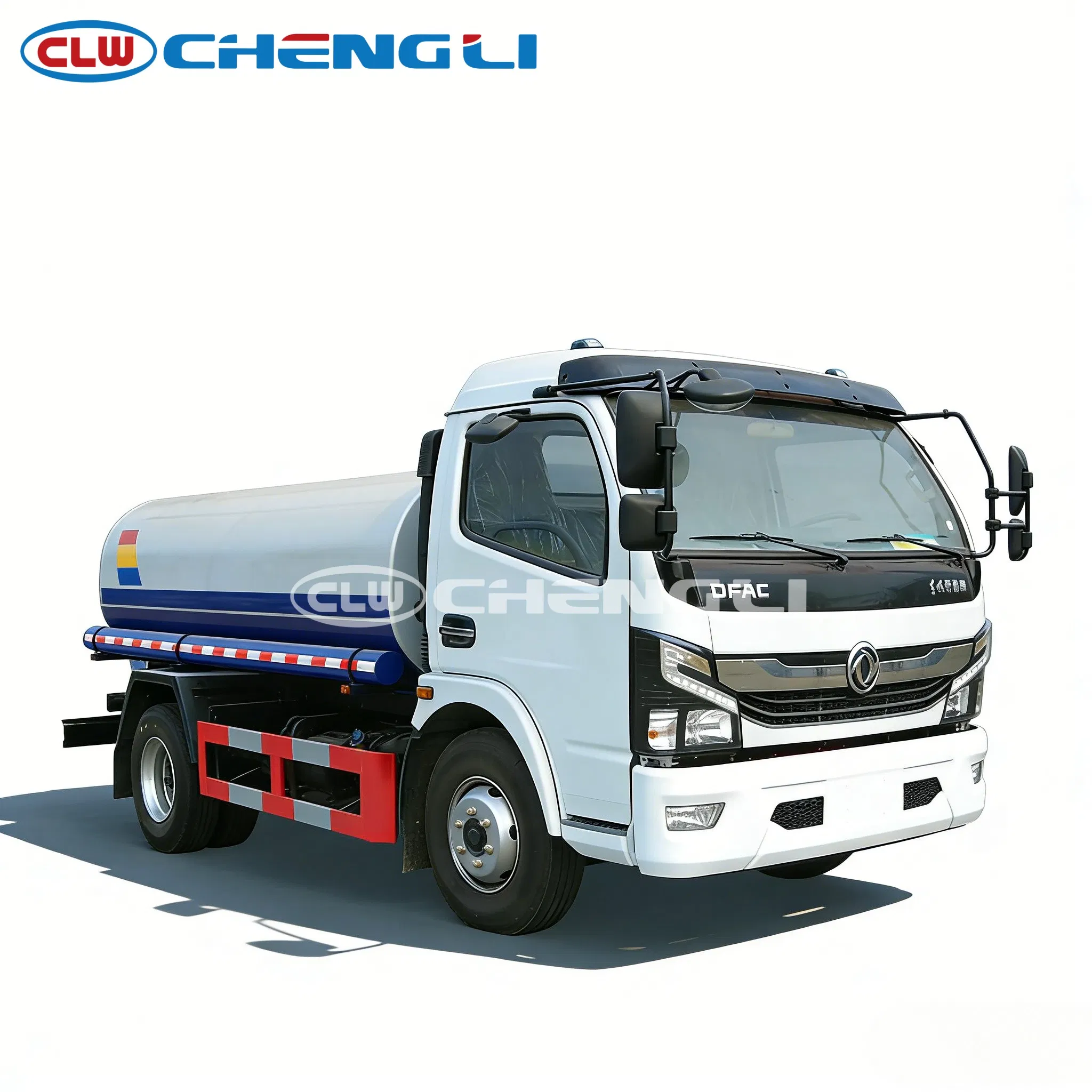
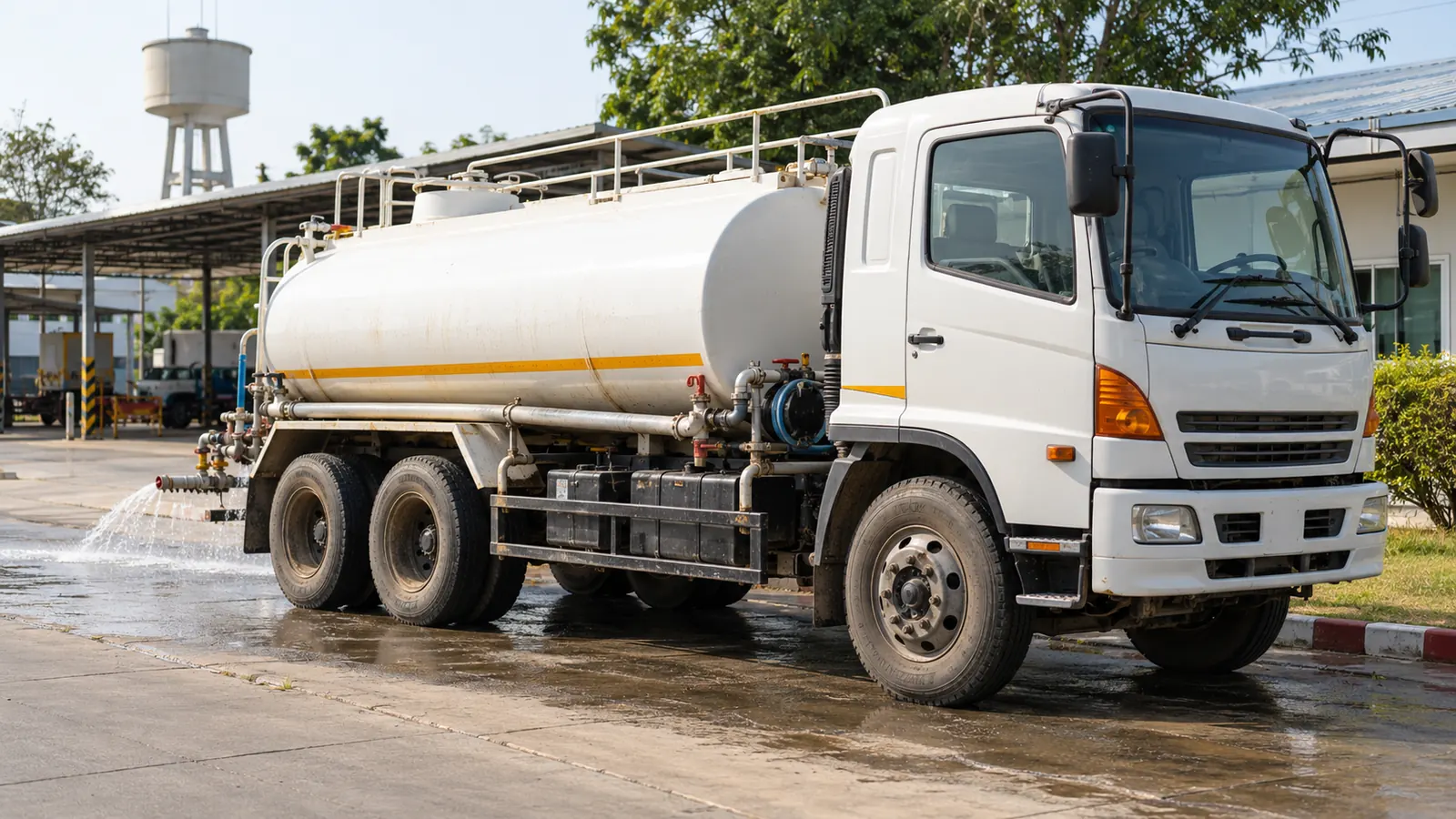
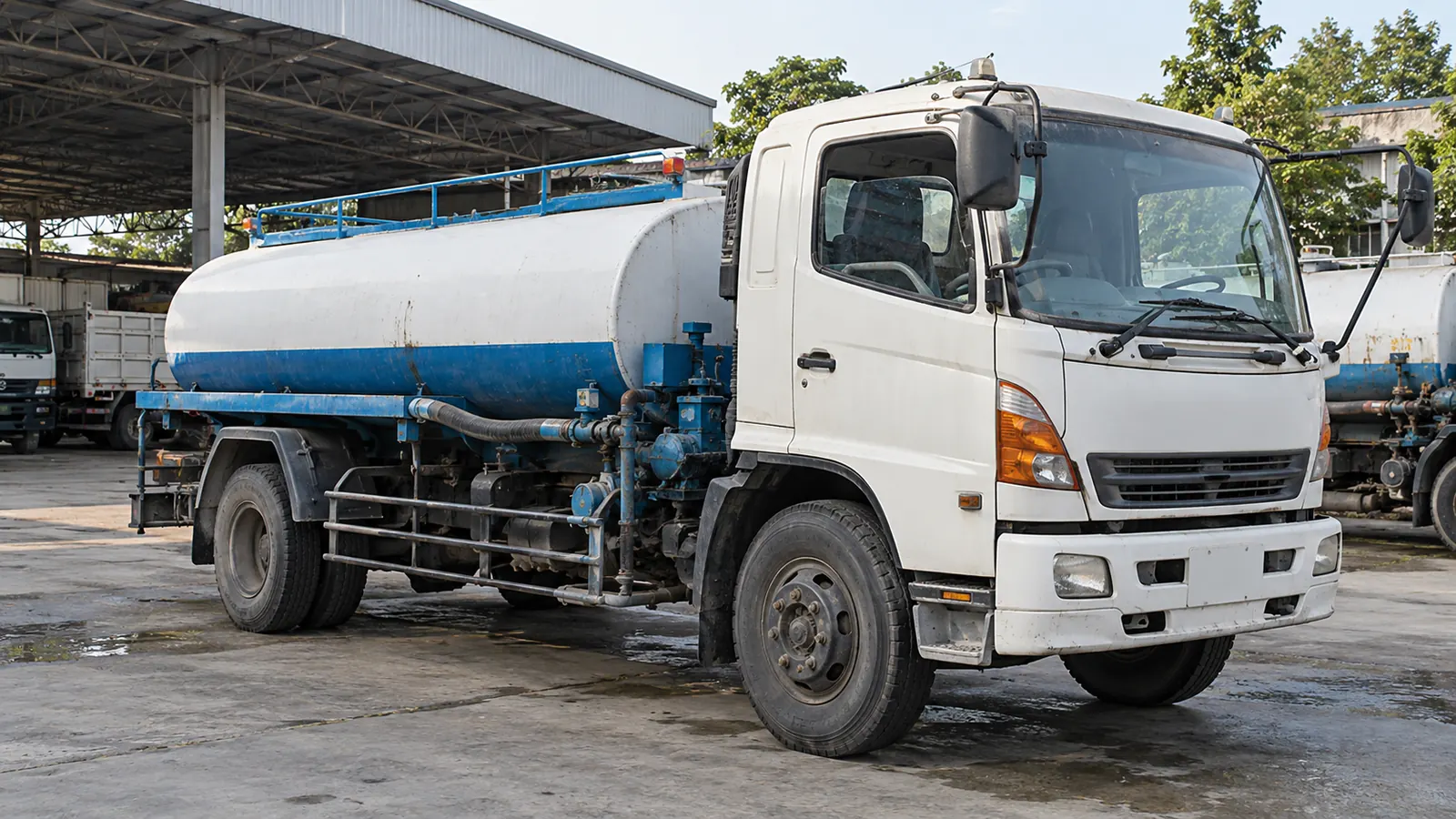
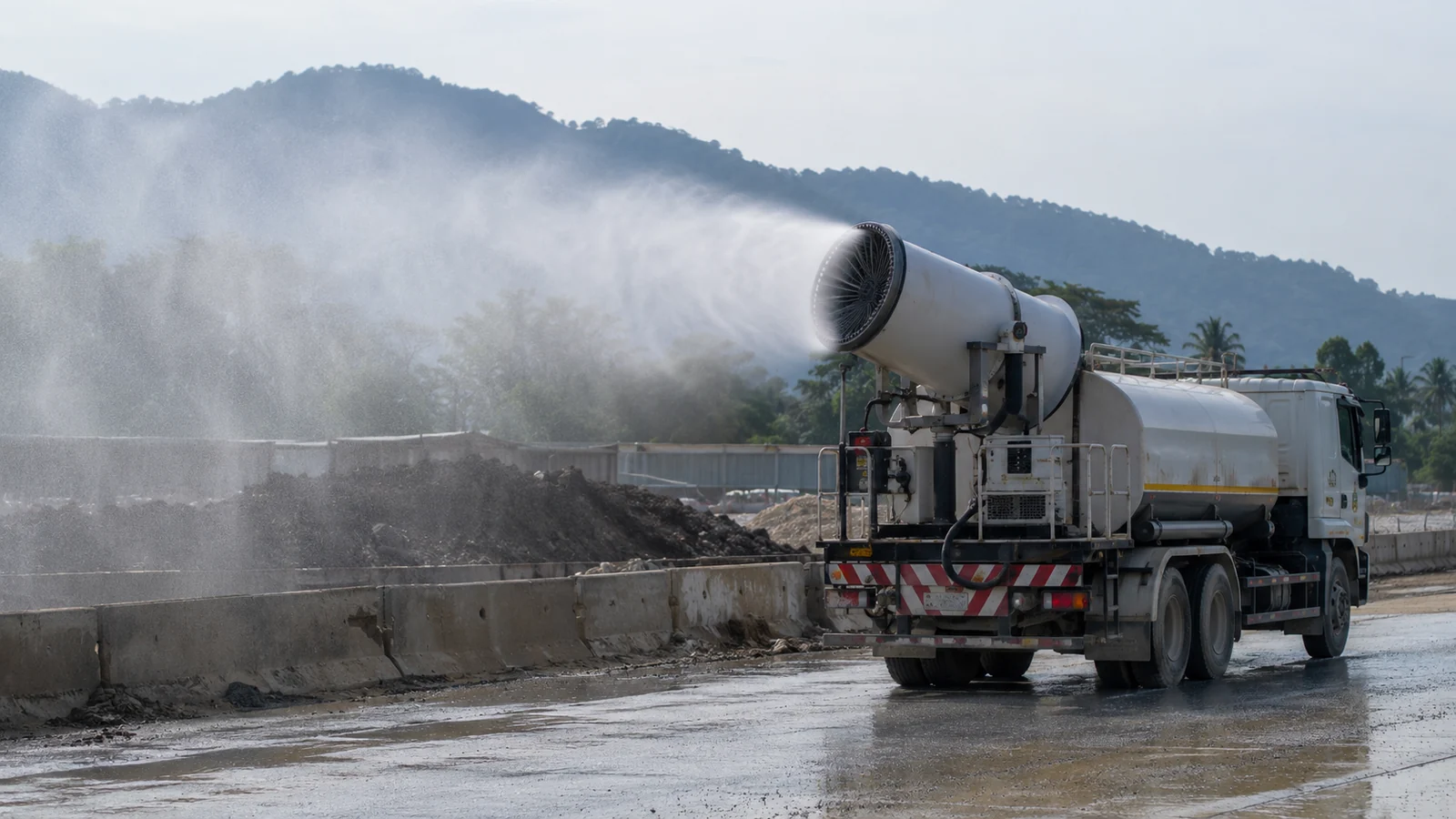
A municipal water tanker can carry water to an incident or support initial suppression if its equipment is suitable. That does not make it interchangeable with a dedicated fire engine. The correct choice begins with the primary mission, response requirements and the people who will operate the vehicle.
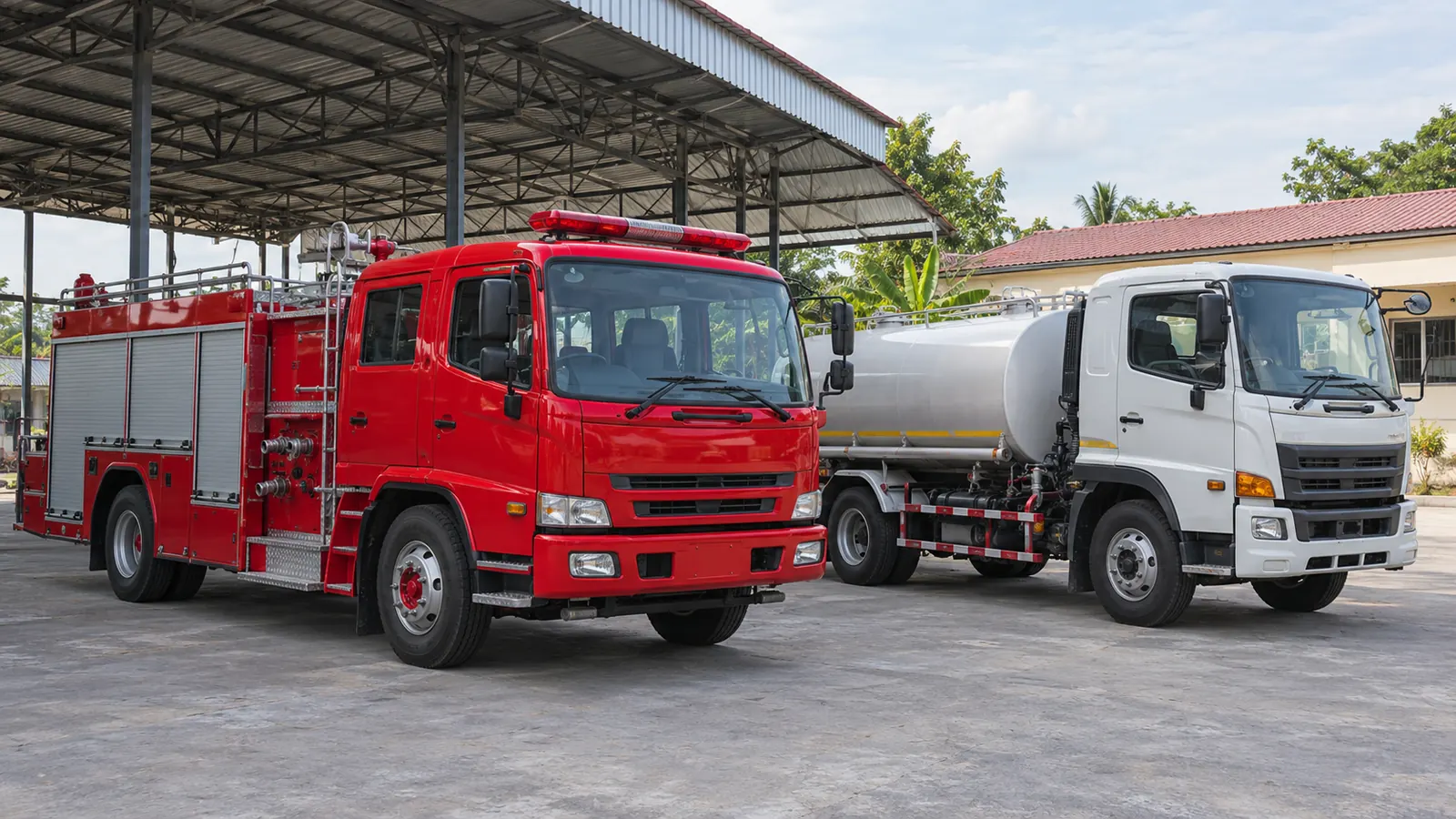
Different primary duties
| Decision point | Dedicated fire engine | Multipurpose water truck |
|---|---|---|
| Main work | Emergency response and firefighting | Water delivery, road washing, landscaping and dust control |
| Equipment priority | Fire pump, hose deployment, crew safety and incident readiness | Tank, fill/discharge pump and spray outlets for routine routes |
| Operating pattern | Ready for urgent dispatch | Planned daily work and scheduled refilling |
| Procurement test | Demonstrate the specified emergency capability | Demonstrate the specified daily duty and any auxiliary fire-water function |
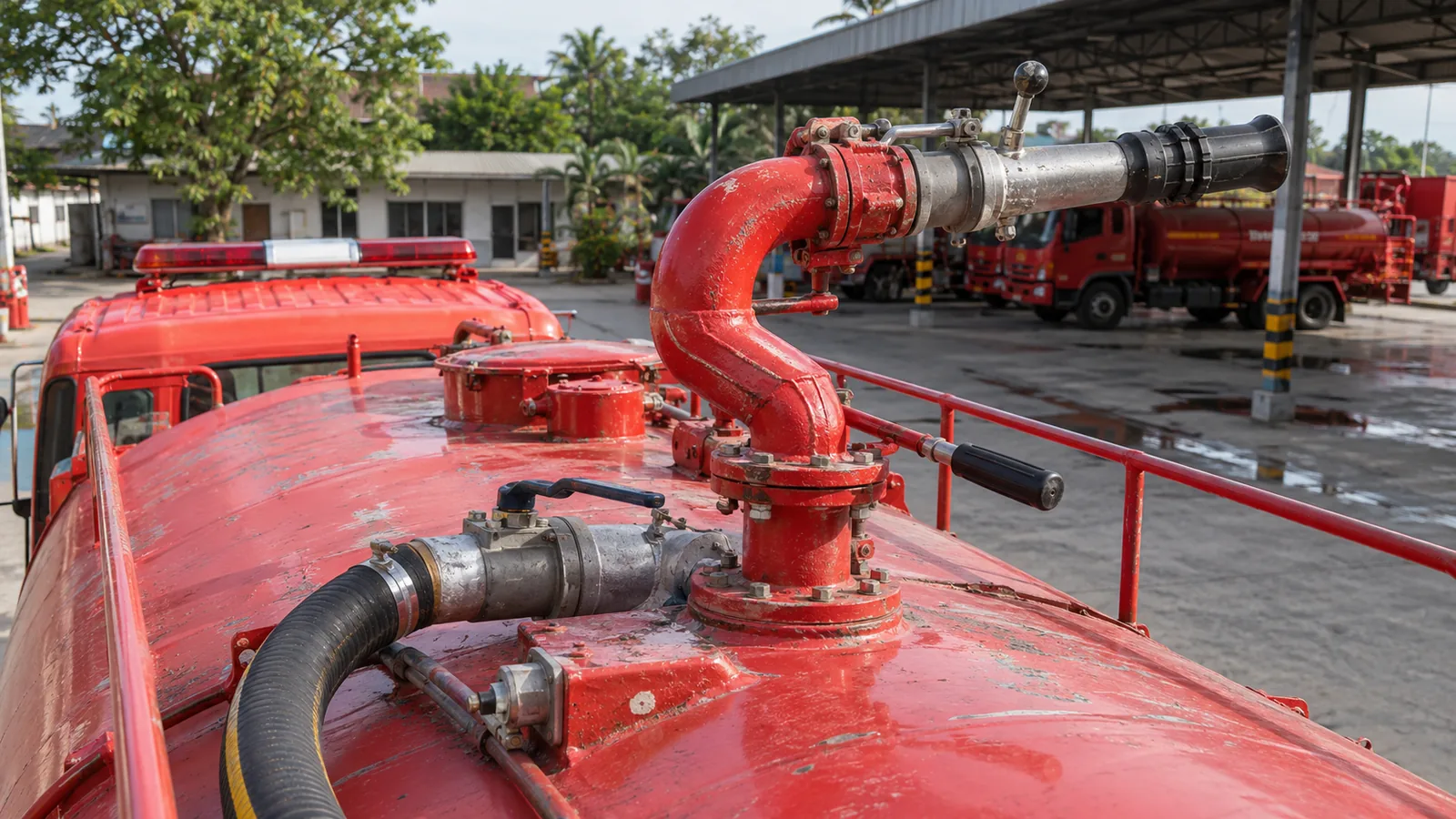
An elevated water monitor or fire-hose connection can be useful on a water truck, but it is not evidence that the vehicle meets every fire-service requirement. A municipality facing regular structural or industrial fire risk should specify a dedicated response vehicle for that mission. A multipurpose truck can complement it by carrying additional water or serving routine public works.
Four questions to settle before buying
First, identify the risk: routine watering, seasonal grass fires, industrial premises and dense urban buildings demand different readiness. Second, measure response time and water availability. Third, define the trained crew and the equipment it can safely deploy. Fourth, compare total operating cost: a truck used daily for municipal work has a different maintenance and dispatch pattern from an emergency vehicle.
For an auxiliary water truck, write down tank capacity, pump flow and pressure at the intended outlets, hose connections, monitor range under stated conditions, control positions and storage for accessories. The municipal water-truck guide helps select the base vehicle.
Capacity is limited by loaded weight
A larger advertised tank does not mean it can be filled on every road. Calculate full-water mass plus vehicle, equipment, crew and fuel; compare the result with the approved gross and axle limits for the actual configuration. Review the weight calculation guide before using a tank volume in a tender.
Published models illustrate different auxiliary-water layouts, including the electric 5,000 L multipurpose truck, Dongfeng 12,500 L firefighting-support water truck and HOWO 20,000 L water-cannon truck. Compare their chassis, steering, payload and equipment documents individually; model names do not replace acceptance criteria.
Put performance and limits in the contract
State the primary mission, pump test point, hose and outlet dimensions, tank construction, full-load weights, right-hand-drive requirement, local registration documents, operator training and acceptance procedure. Distinguish an auxiliary fire-water role from a certified fire-engine role in the purchase specification. Price and delivery should be quoted for the exact configuration and destination rather than inferred from vehicle category alone.