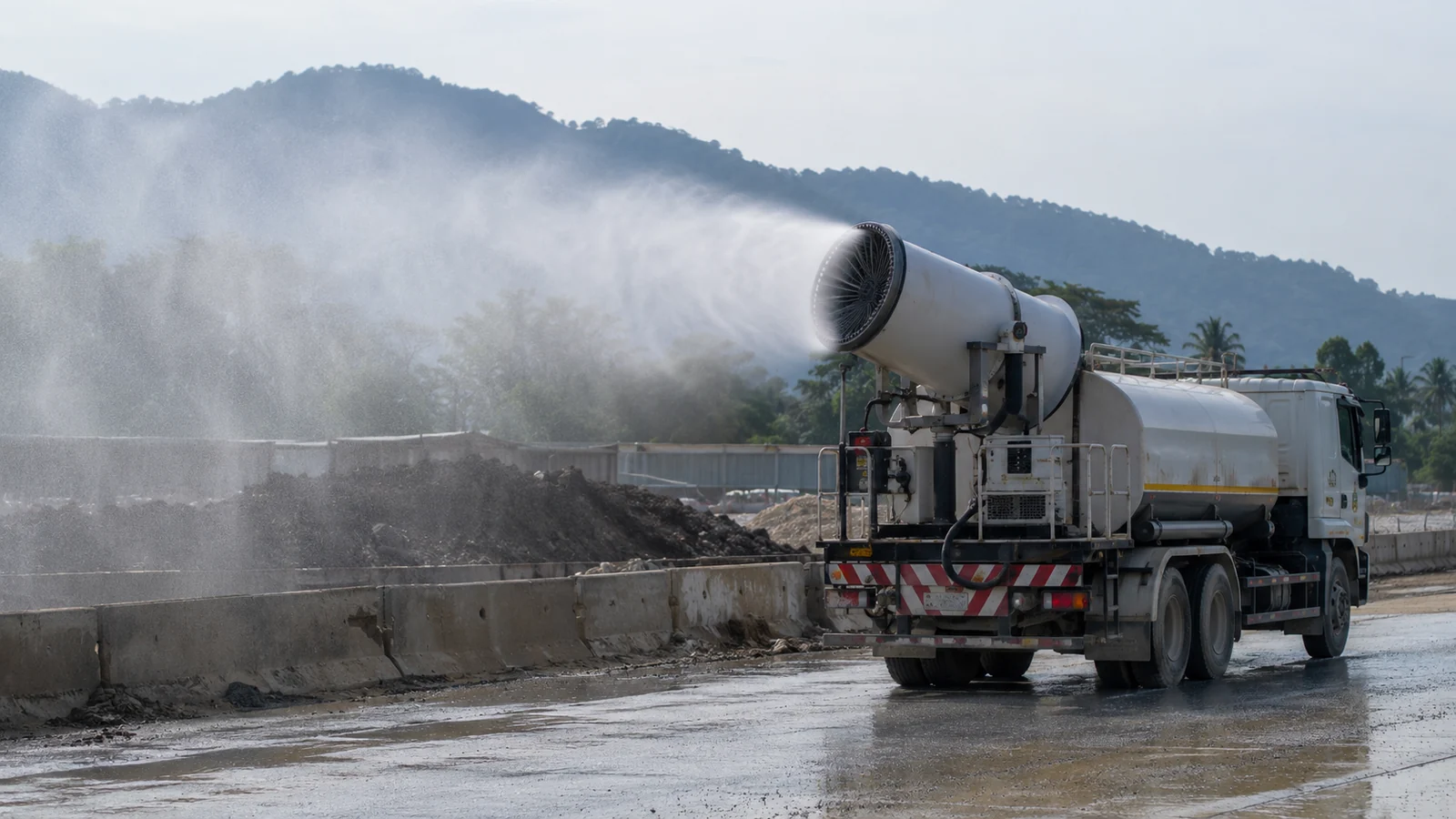
A useful municipal water truck is not automatically the one with the largest tank. It is the truck that can carry its working load legally, reach the intended streets and water points, and deliver the right flow through the right outlets. Start with the daily duty, then select the chassis, tank and equipment as a system.
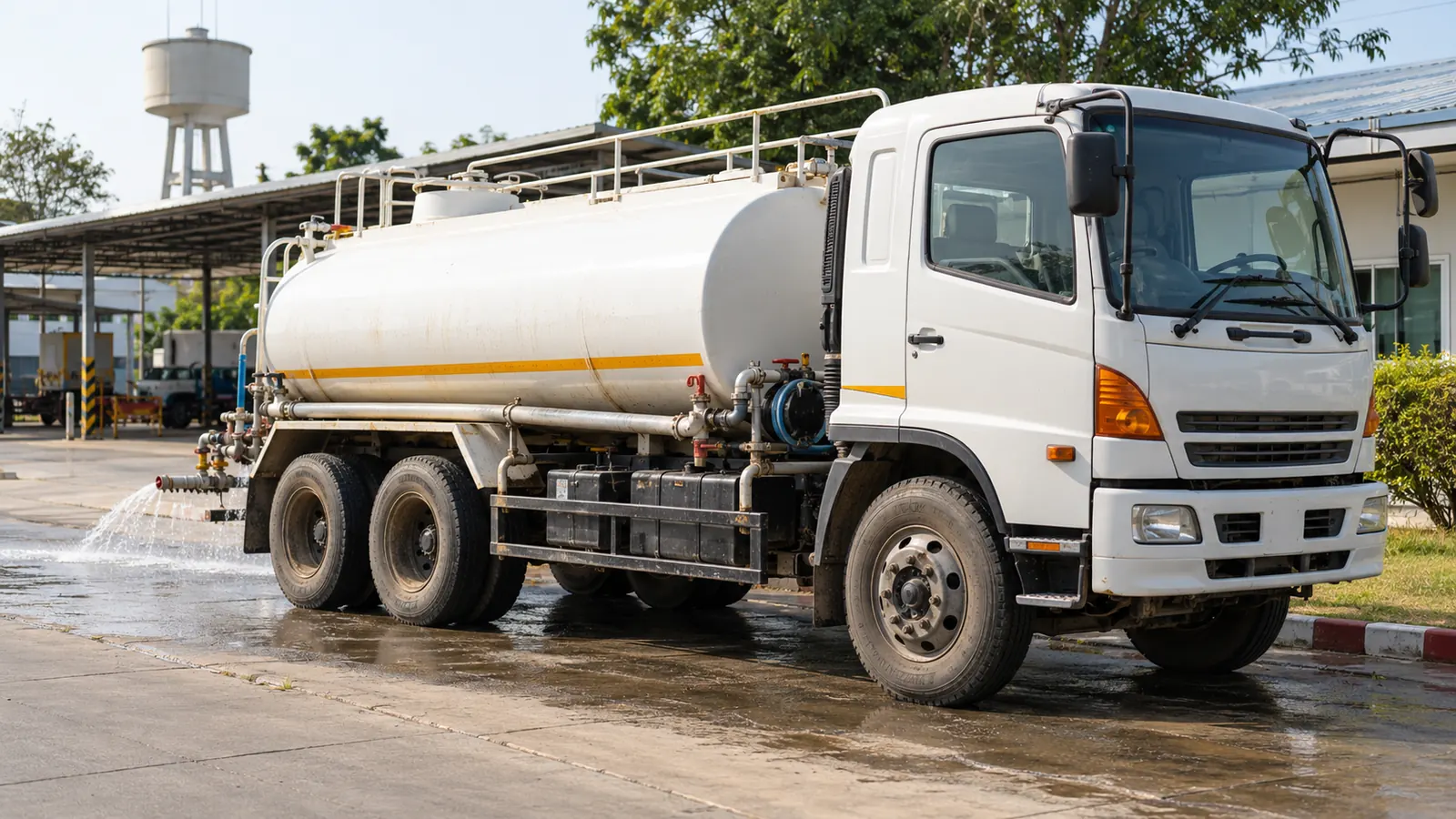
Define the work before choosing a tank
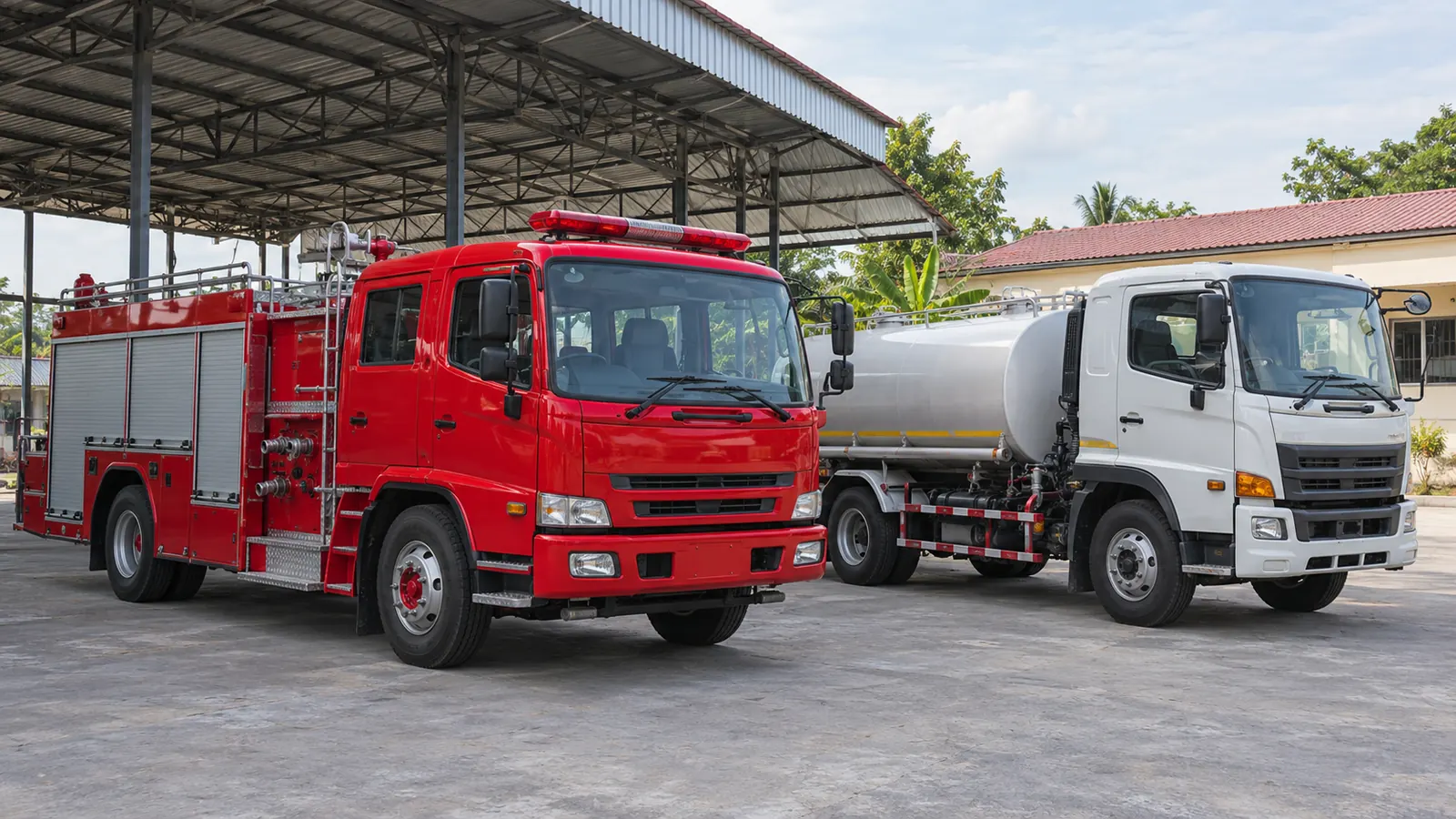
Record daily water demand, distance between the filling point and the work area, fill time, the narrowest road and bridge restrictions. Identify one primary duty and any secondary duties. Garden watering, road washing, dust suppression, water delivery and auxiliary firefighting use different pumps, nozzles and control layouts. A roof-mounted monitor does not by itself turn a water tanker into a dedicated fire engine; see the fire-truck comparison.
| Main duty | Equipment to specify | Operating consideration |
|---|---|---|
| Water delivery | Suitable fill/discharge connections and hoses | Confirm water quality and tank-lining requirements for the intended use. |
| Landscaping | Adjustable rear or side outlets | Excess flow can empty the tank before the route is complete. |
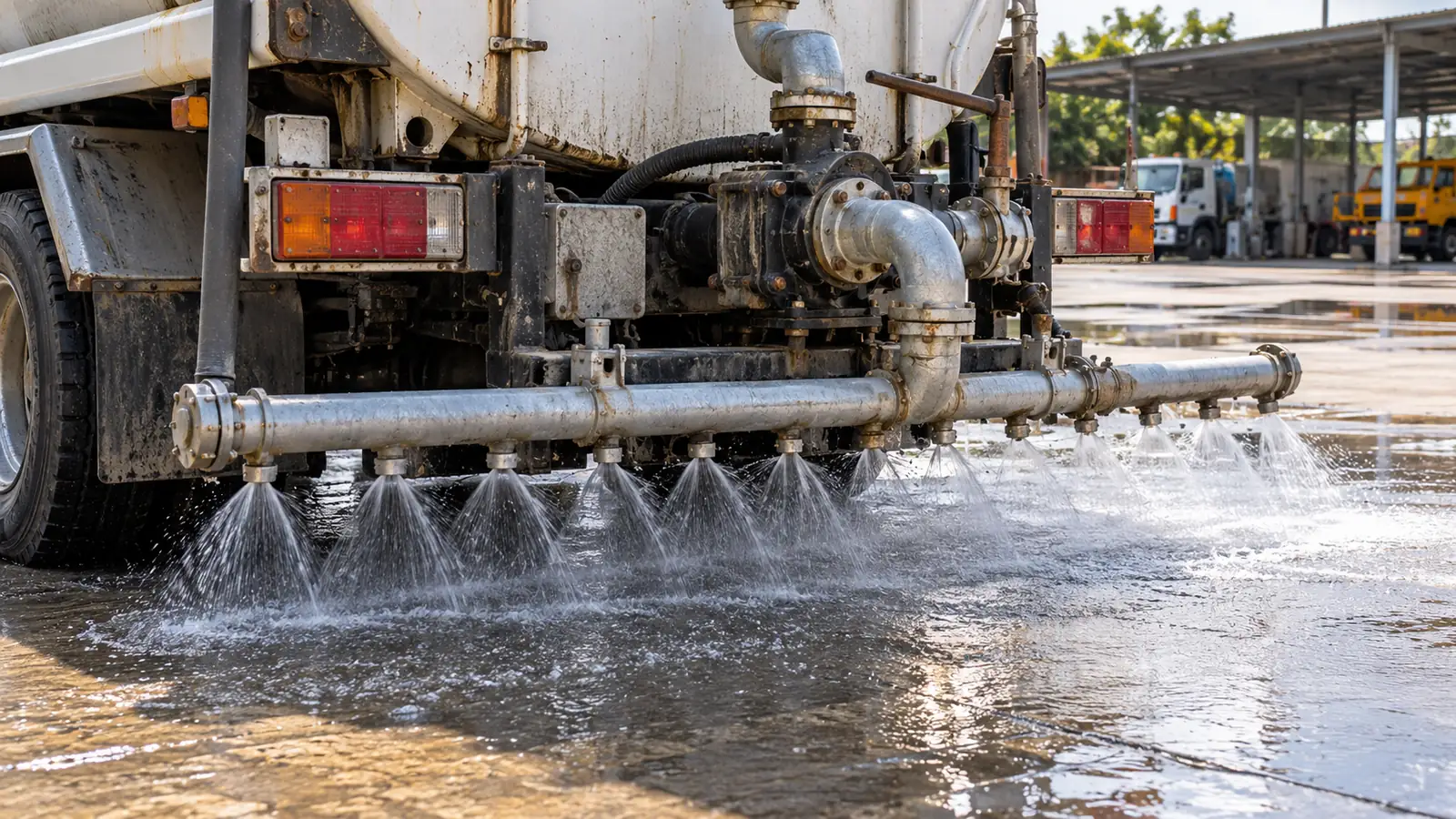
| Road washing | Forward spray bar and practical cab controls | Plan filling points and traffic-safe working speeds. |
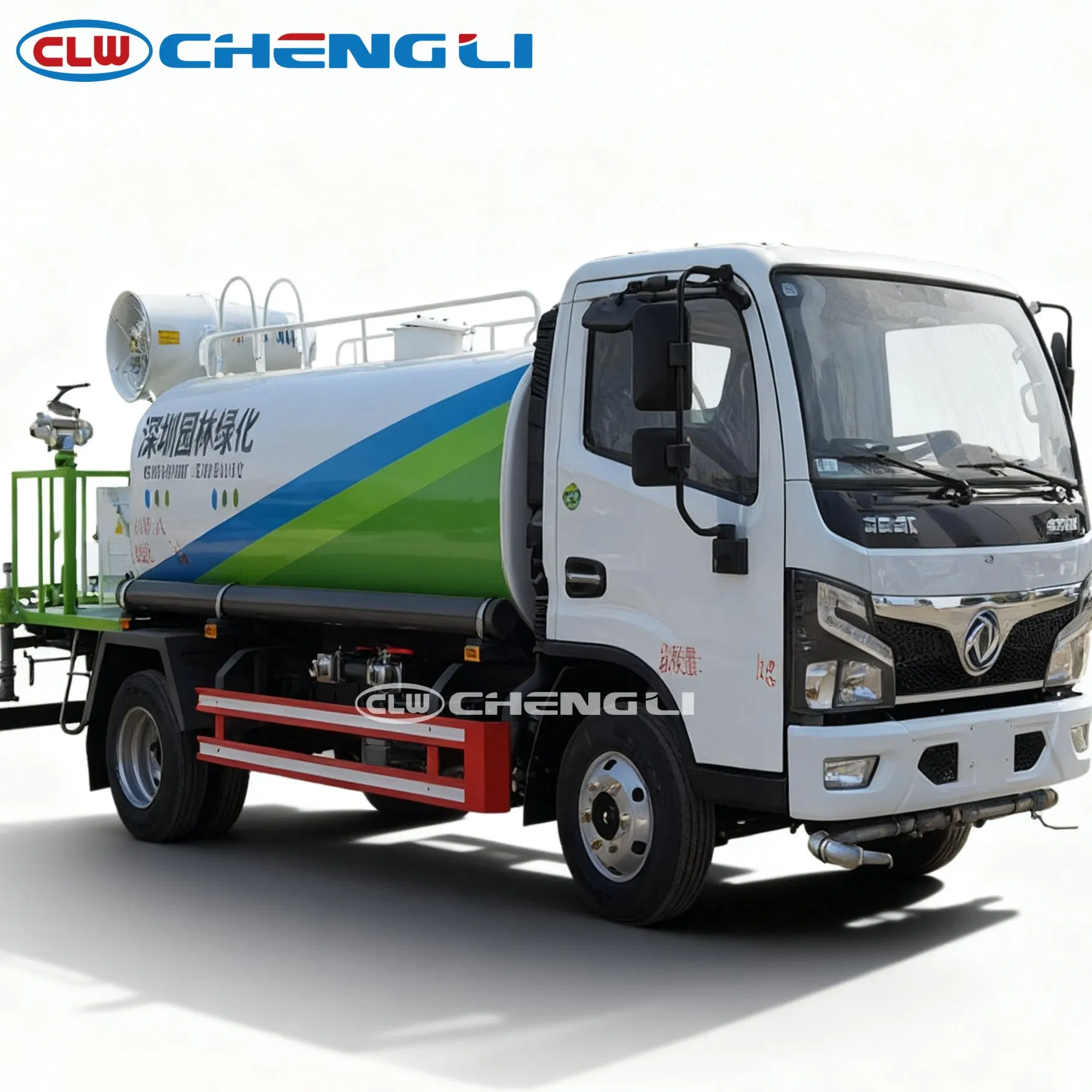
| Dust control | Appropriate spray bars or misting equipment | A fog cannon adds weight, power demand and maintenance. |
Choose the vehicle by usable payload
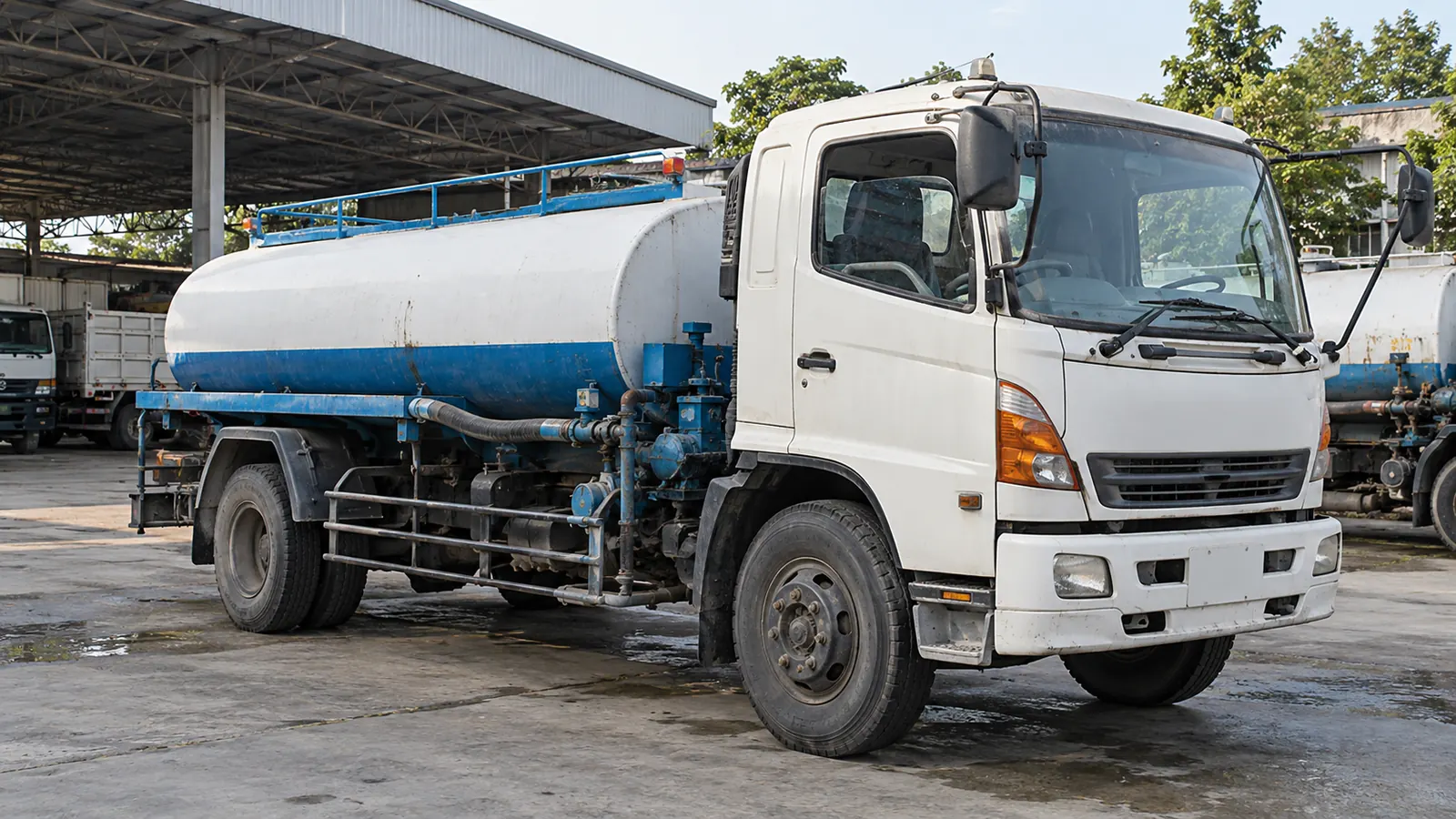
Six-wheel and ten-wheel descriptions are only starting points. A nominal 6,000 L tank holds roughly six tonnes of water when full; the tank, pump, piping, crew, fuel and optional equipment add further weight. Subtract the actual ready-to-work vehicle weight from the applicable gross and axle limits before deciding how much water can be carried. Do not treat catalog tank volume as legal payload. Our loaded-weight guide explains the calculation.
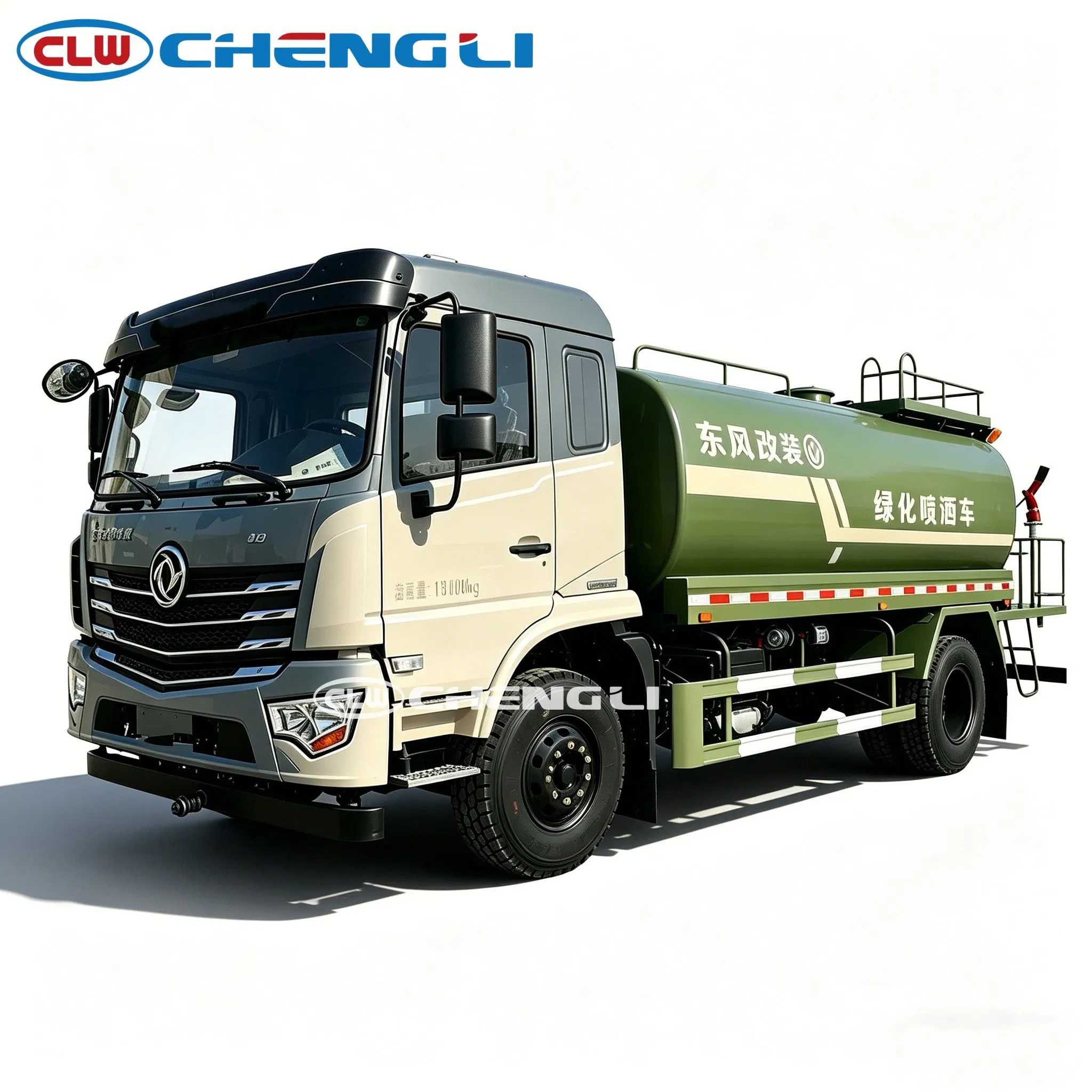
Smaller trucks suit constrained streets and shorter routes; larger trucks reduce refilling frequency where roads, bridges and turning space permit. Compare the published right-hand-drive 5,000 L truck, Dongfeng D6 5,000 L truck and Dongfeng H3 9,000 L truck against the real route and load calculation. Thailand requires the steering configuration specified in the purchase documents to suit local operation.
Specify the pump and spray equipment
Ask for flow and pressure at the working outlets, not just a pump brand or peak rating. A discharge hose needs useful flow; a road-washing jet needs pressure at the nozzle; a mist system needs its own operating envelope. State whether the pump must self-prime from a pond or canal and whether filtration is needed. Show the required front, rear, side and elevated outlets on a drawing, including valve control from the cab where relevant.
Tank material and corrosion protection should reflect water chemistry and cleaning practice. Include inspection access, baffles, drain points and a maintainable pump layout. The water-truck pricing guide explains how these choices affect a quotation.
Before issuing a purchase order
Request the exact chassis model, steering side, empty and loaded axle weights, tank drawing, pump curve, outlet schedule and local registration documents. State the duty cycle, water intake conditions, daily route, quantity and destination port. Acceptance tests should measure the agreed configuration, not a generic brochure claim. A comparable quotation should distinguish standard equipment from options and specify training, parts and warranty terms in the contract.