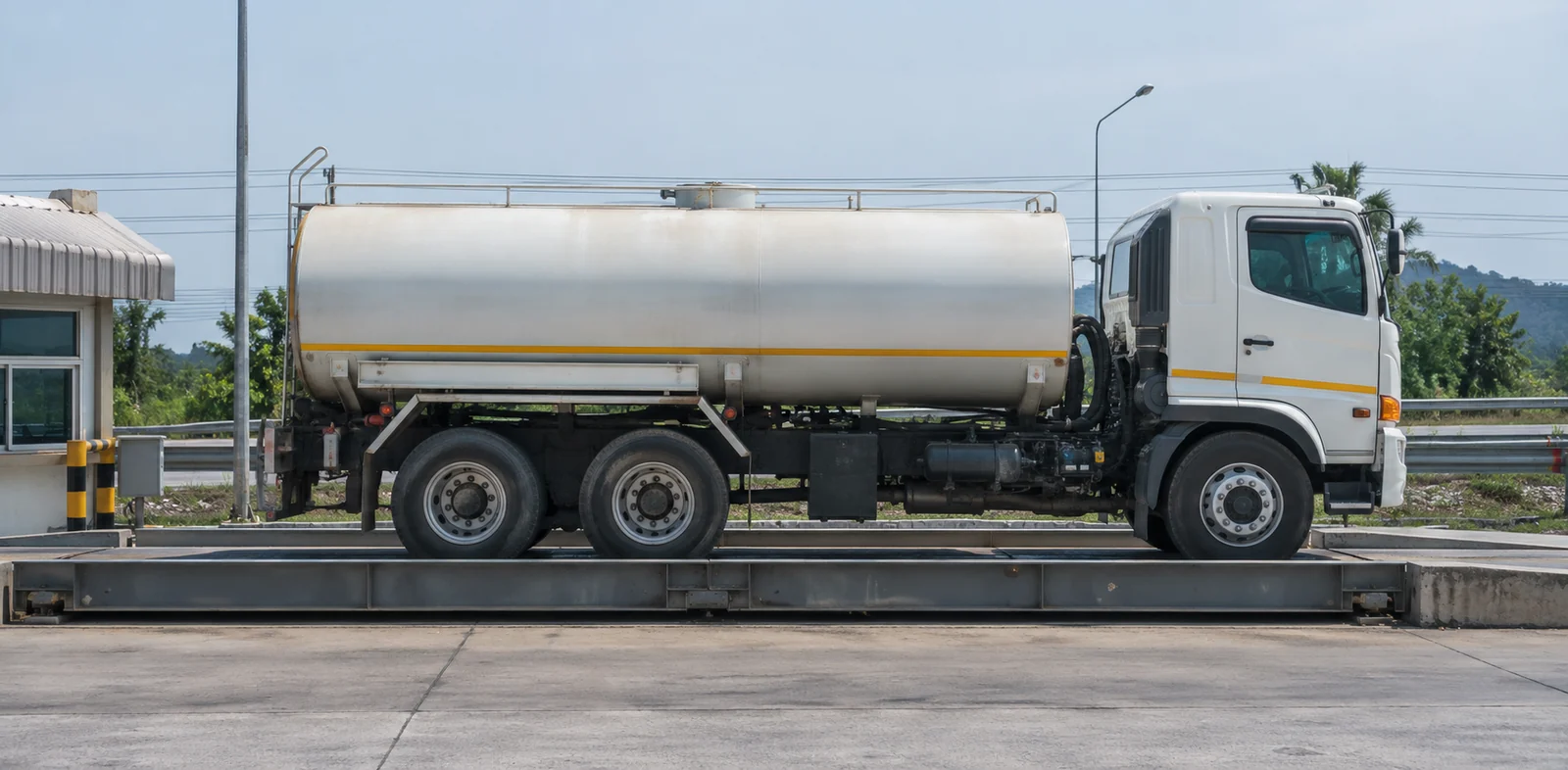
Buyers often begin with a capacity—2,000, 6,000, 10,000 or 20,000 L—and ask for one price. That is only a starting point. The chosen chassis, permitted loaded weight, pump, tank material, spray layout, steering configuration, documentation and shipping terms can change the delivered cost substantially. Without a current quotation for a defined vehicle, specific prices should not be treated as an offer.
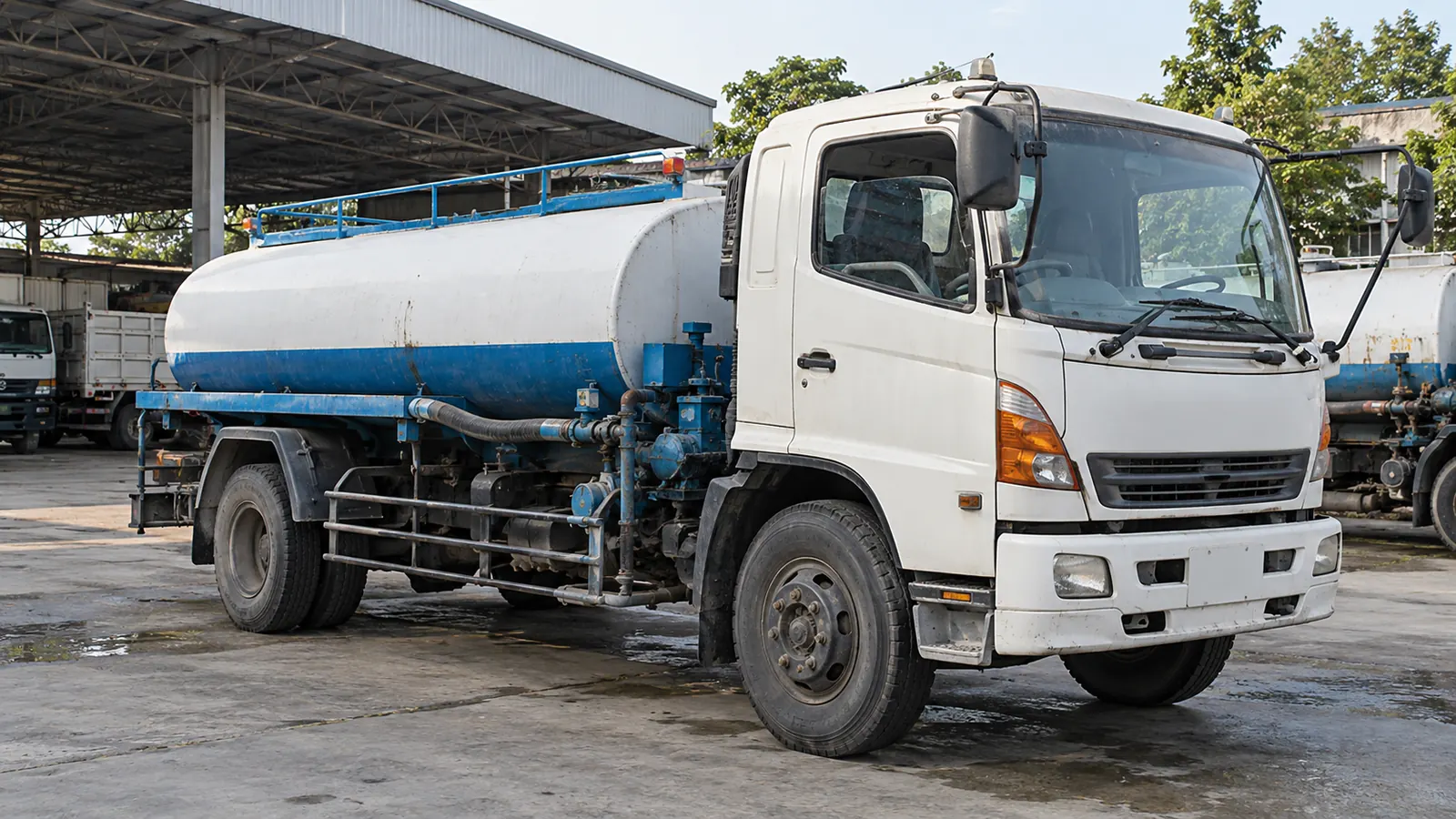
Compare the right size class
| Capacity question | Procurement implication |
|---|---|
| Small local-distribution truck | Prioritize narrow-road access, turning and frequent fills. |
| Mid-size municipal truck | Balance useful payload, route length and filling time. |
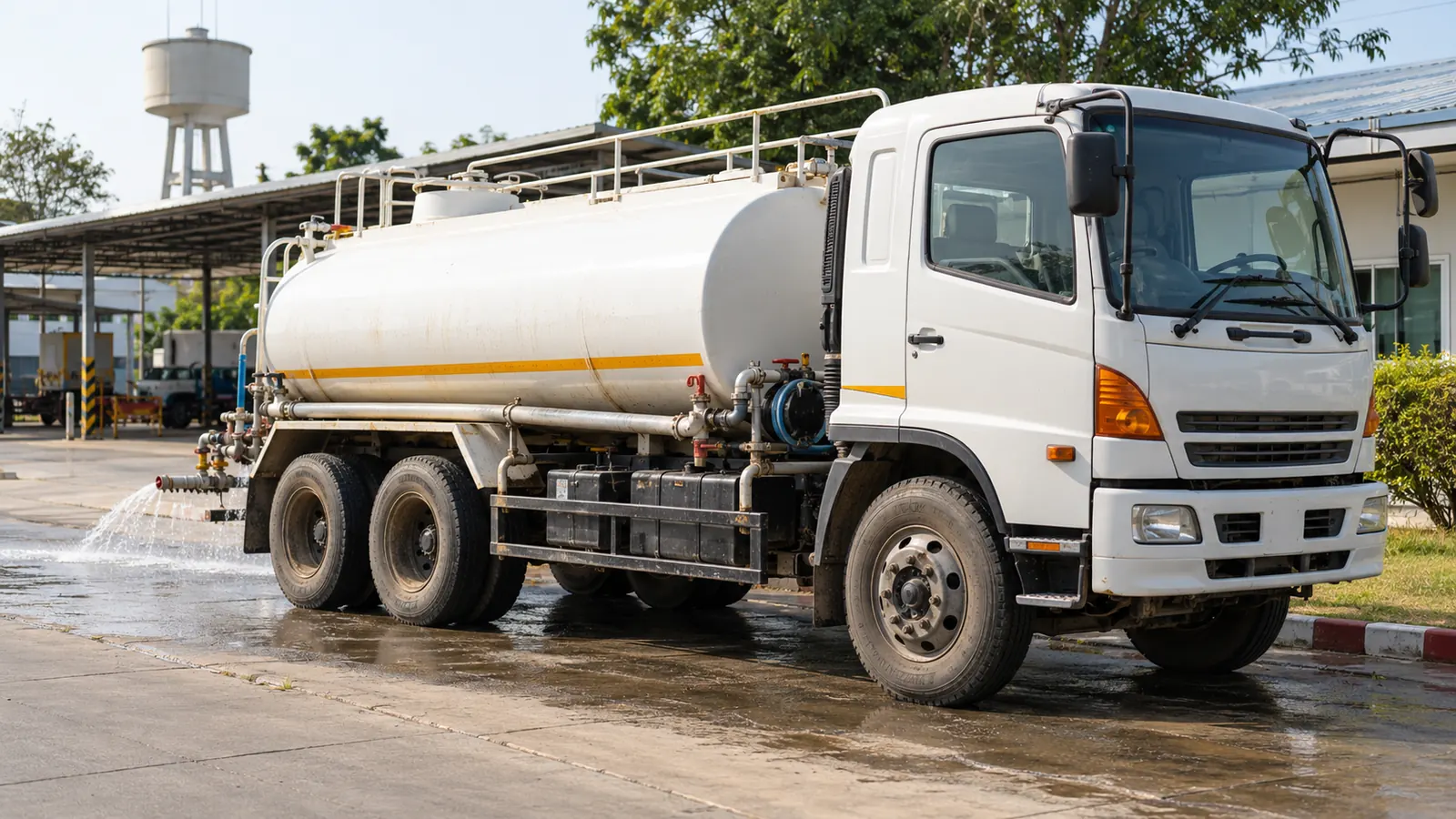
| Large water tanker | Check bridges, axle loads, maneuvering space and actual full-tank legality. |
| Dust-control or auxiliary-fire configuration | Include the mass, power and maintenance of added systems. |
The municipal water-truck selection guide explains how to define duty and usable capacity. If the requested size is not among the site's published models, specify the performance needed rather than assuming a listed truck can be downsized or that a catalog capacity is available locally.
What changes the quotation?
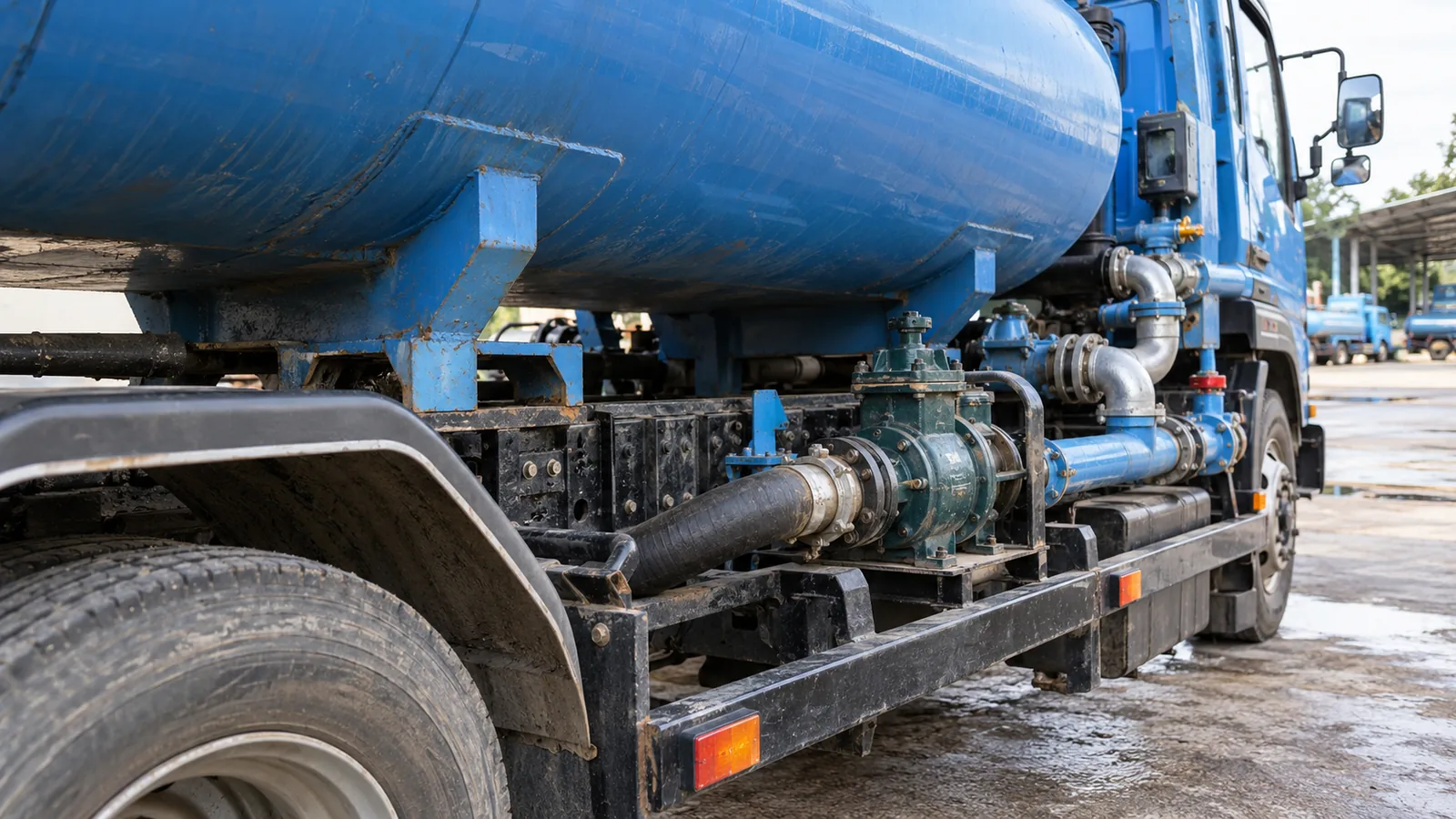
A chassis with different axle layout, engine or right-hand-drive arrangement may have a different cost and delivery path. Tank steel grade, lining, baffles and inspection access change fabrication work. Pump flow and pressure, spray bars, monitor, fog cannon, cab controls and hose package should be itemized. Freight, destination port, inspection documents, commissioning, training, spare parts and warranty form part of the project cost. The final legal working payload may be lower than the geometric volume; review the weight guide.
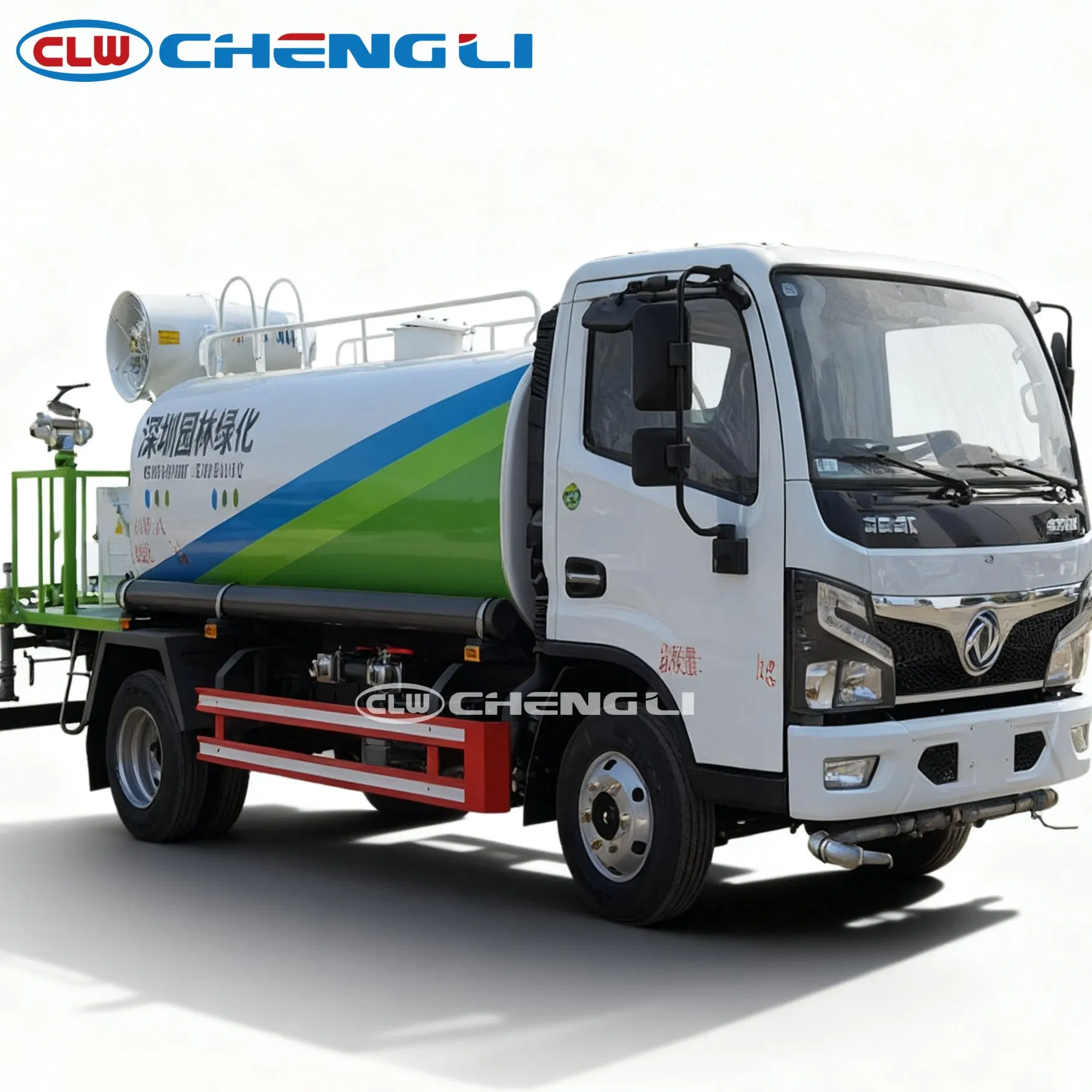
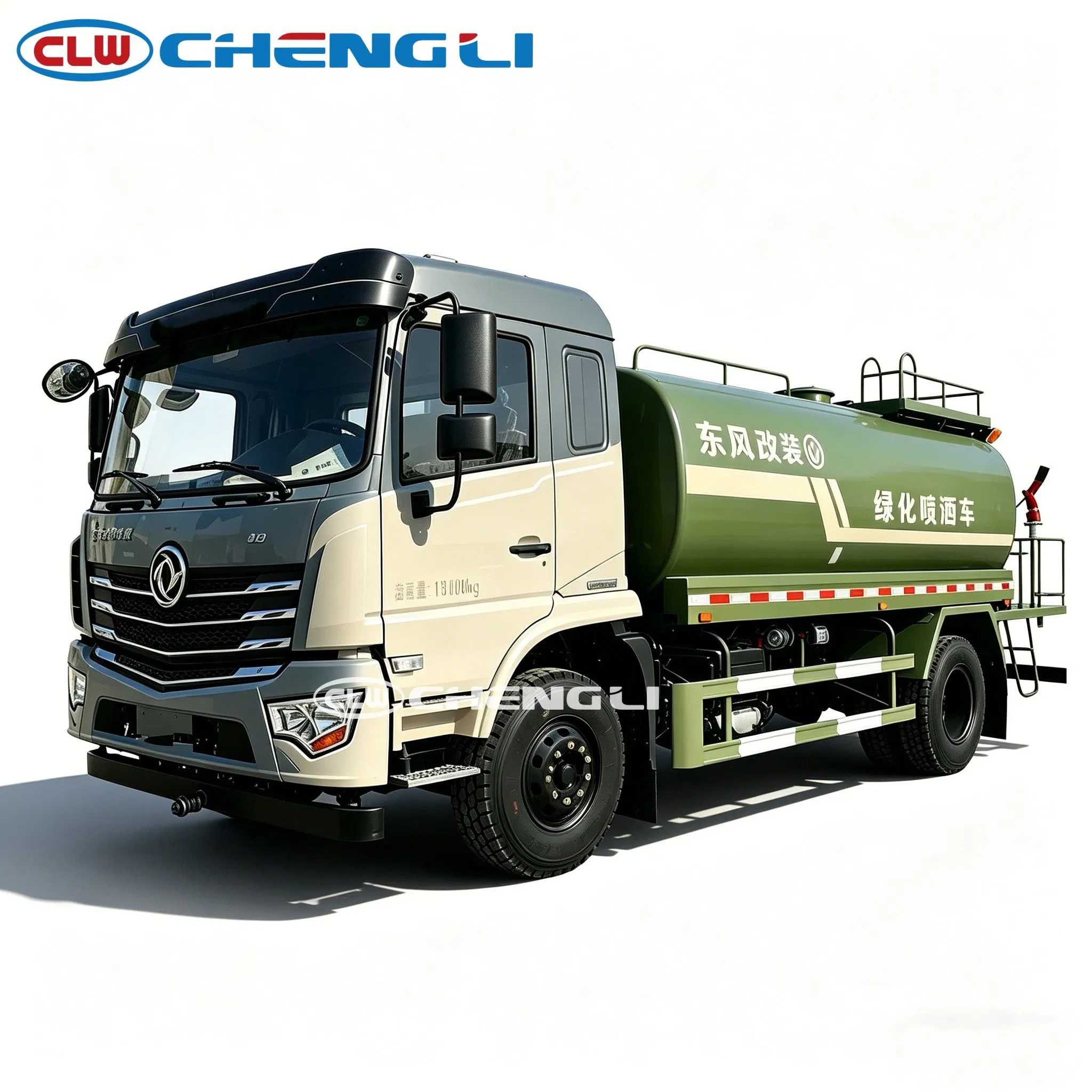
Examples of published configurations include the Dongfeng D6 5,000 L truck, Dongfeng H3 9,000 L truck and HOWO 20,000 L water-cannon truck. These are comparison points for specification, not interchangeable price quotes.
Build a comparable request for quotation
Provide daily water demand, primary task, route length, roads and bridges, water intake conditions, working hours, preferred chassis or performance requirement, steering side, emissions requirement, number of vehicles and destination port. Request a line-item configuration, technical drawings, full-load weight and axle figures, trade term, currency, delivery scope and acceptance procedure. For public procurement, apply the current official budget and tender rules to the actual vehicle class and date; do not copy a historic reference price into a new purchase without checking its applicability.