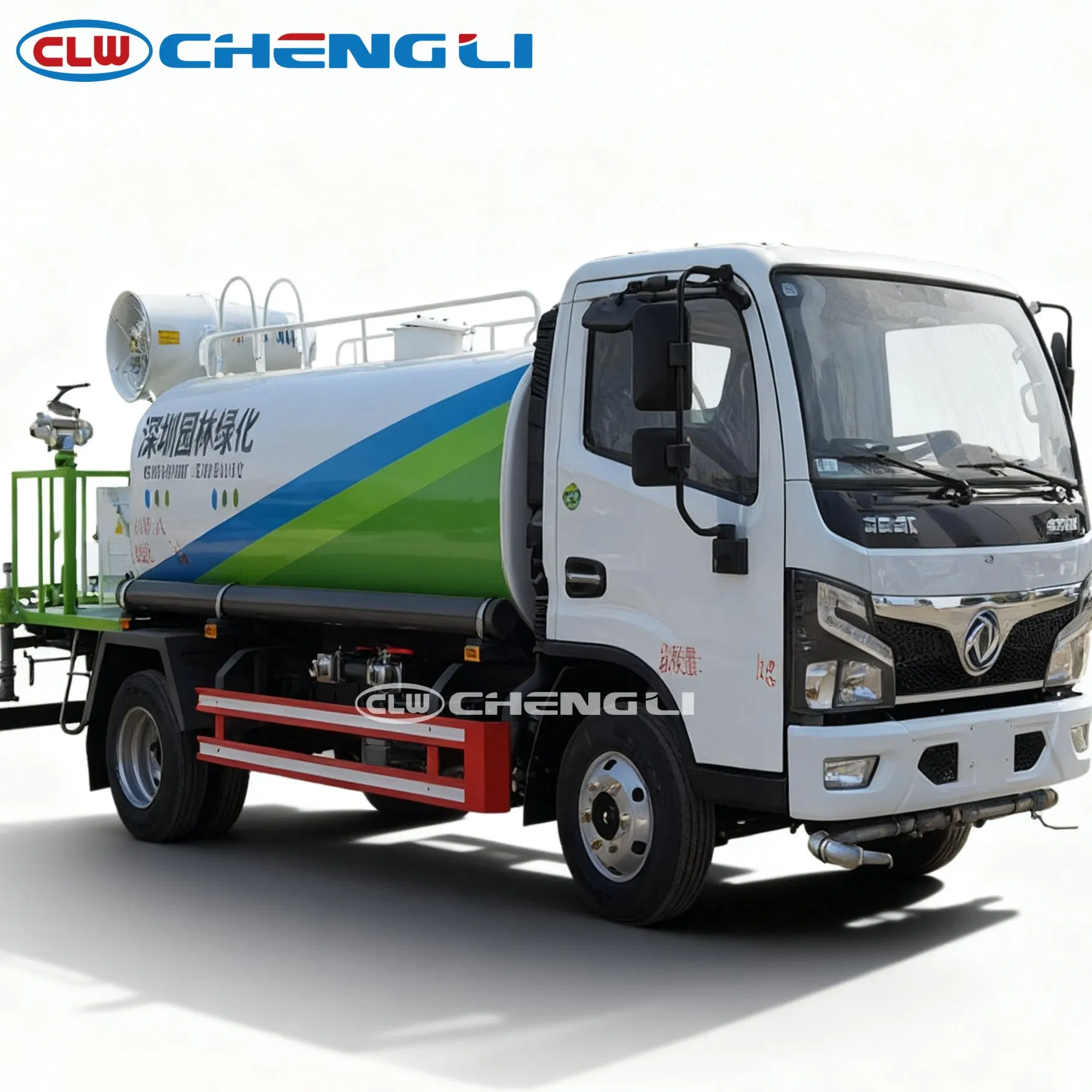
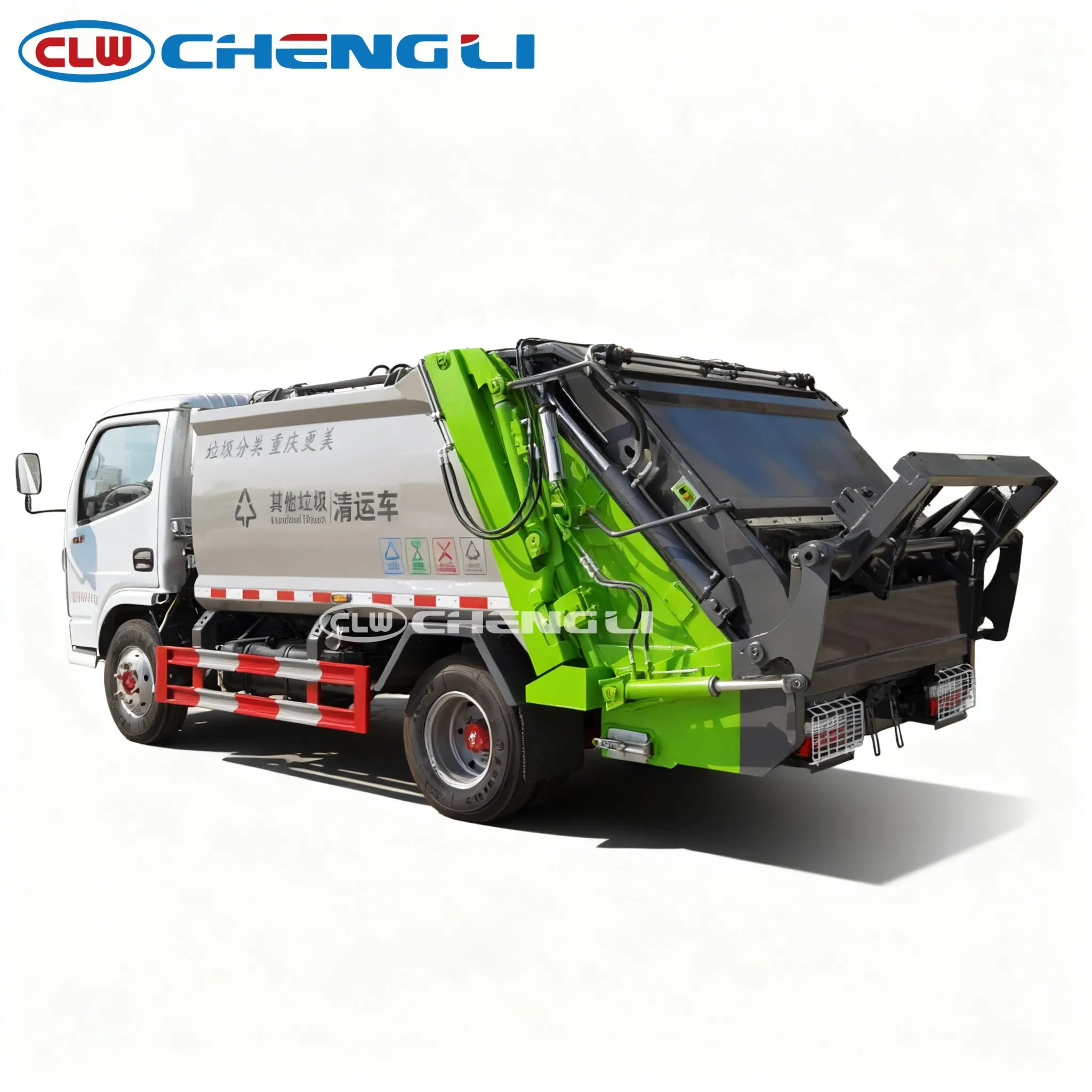
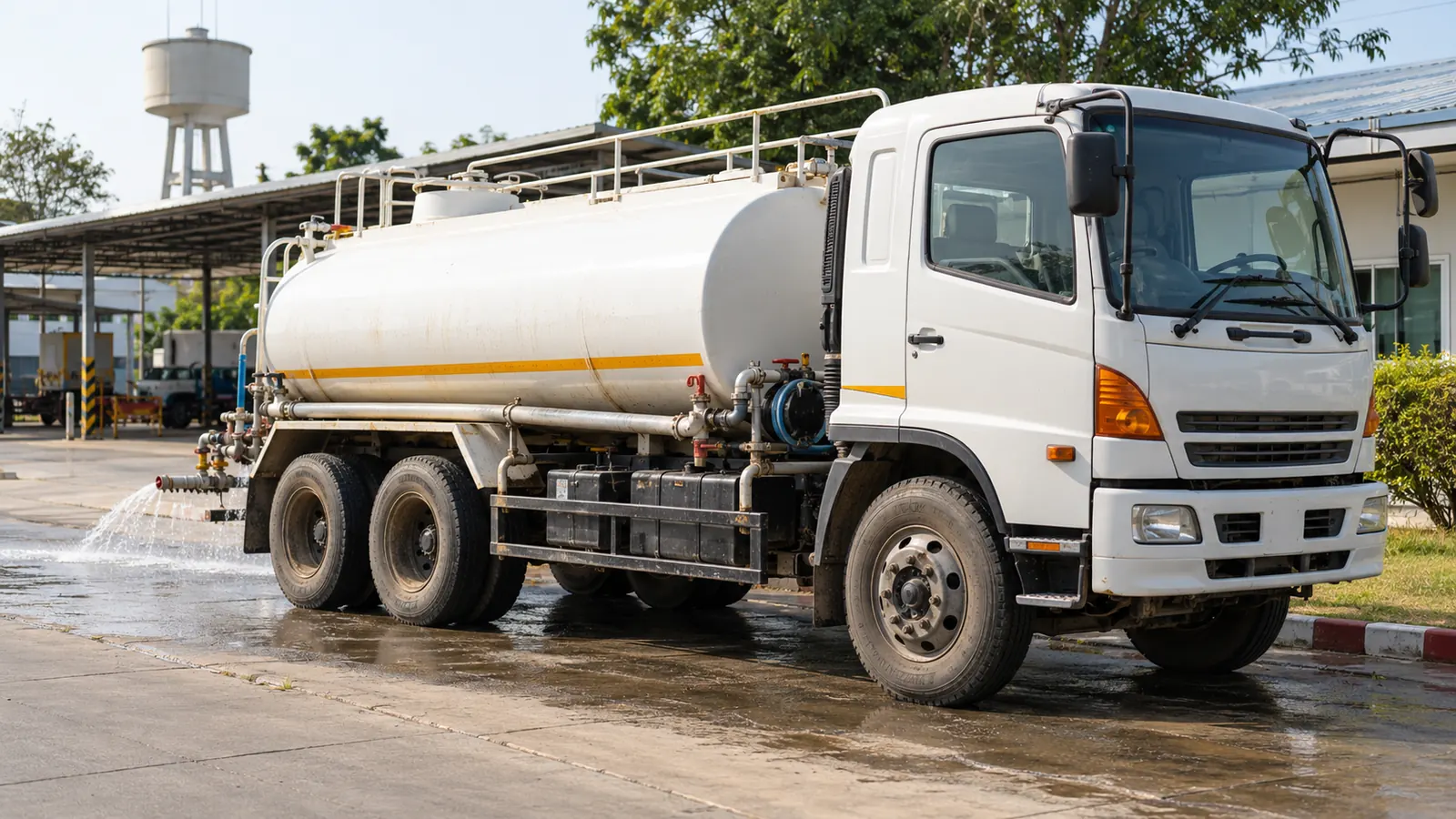
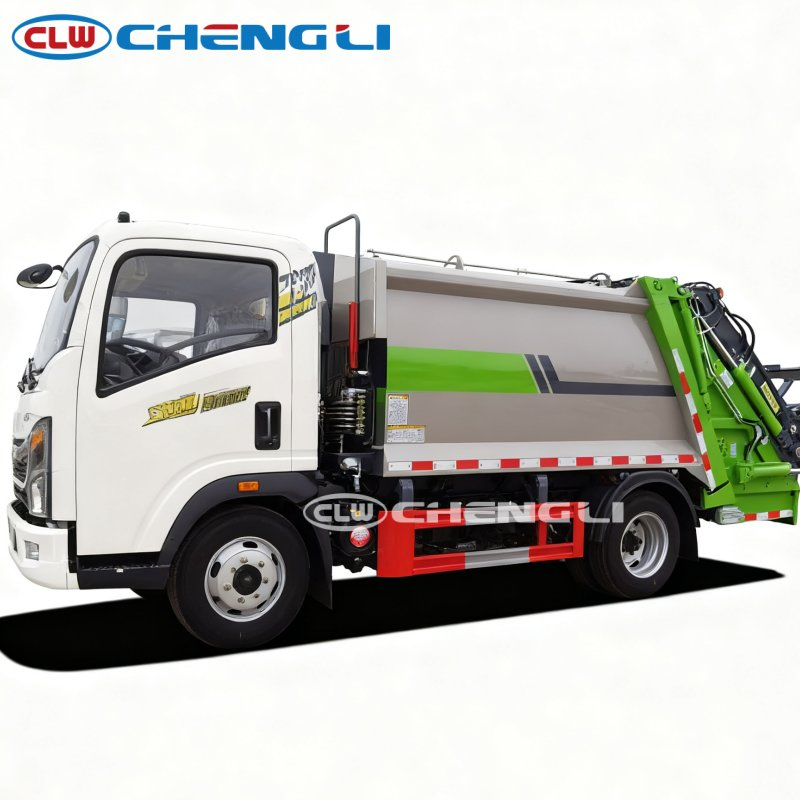
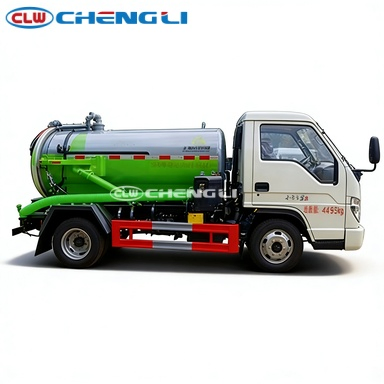
The number of wheels is a convenient description, not a complete legal weight specification. A six-wheel truck is commonly a two-axle 4×2 configuration, while a ten-wheel truck is commonly a three-axle 6×4 configuration. The actual permitted operating weight depends on the approved vehicle, axle arrangement, route and current local rules. Use the registration and engineering documents for the exact truck, not a generic chart alone.
Start with a complete mass balance
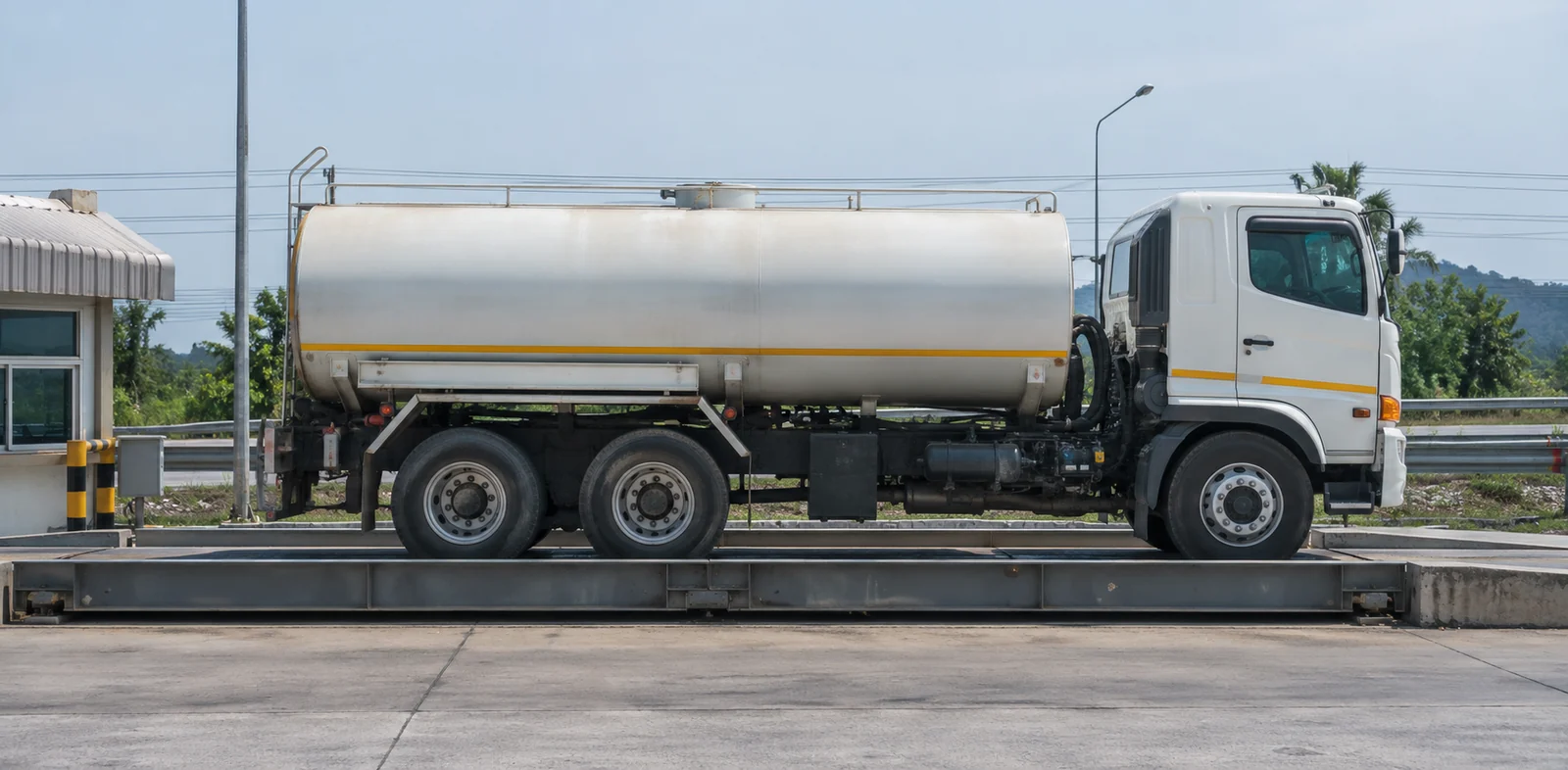
Calculate the vehicle's ready-to-work mass: chassis, body, tank, pump, hoses, spare wheel, fuel, crew and fitted options. Add the intended payload. Compare the sum with the lower of the vehicle's approved gross mass and the applicable road limit. Then check each axle separately, because a vehicle may comply on total mass yet overload an axle.
| Quantity | How to use it |
|---|---|
| Approved gross vehicle weight | Upper vehicle limit in the relevant documents. |
| Ready-to-work empty weight | Actual weight with permanently installed equipment and normal operating items. |
| Payload allowance | Approved gross weight minus ready-to-work weight, subject to axle and road restrictions. |
| Full-tank liquid mass | For water, roughly one kilogram per litre; other liquids and sludge vary in density. |
For illustration only, 6,000 L of water is about 6,000 kg before adding the tank and equipment. This is a mass conversion, not permission to carry a full tank on a particular chassis. Weigh the completed vehicle and validate the intended loading pattern.
Different bodies create different risks
Water trucks have a comparatively predictable liquid density, but baffles and remaining water affect axle distribution. Vacuum and sludge trucks may carry material denser than clean water; usable fill level may therefore be below geometric tank capacity. Refuse compactors can reach the weight limit before the box is visually full, especially with wet or dense waste.
The municipal water-truck guide and sludge-versus-vacuum guide show how the calculation changes by application. Product examples include a right-hand-drive 5,000 L truck and a Dongfeng H3 9,000 L truck; each needs its own final mass and axle data.
Procurement checklist
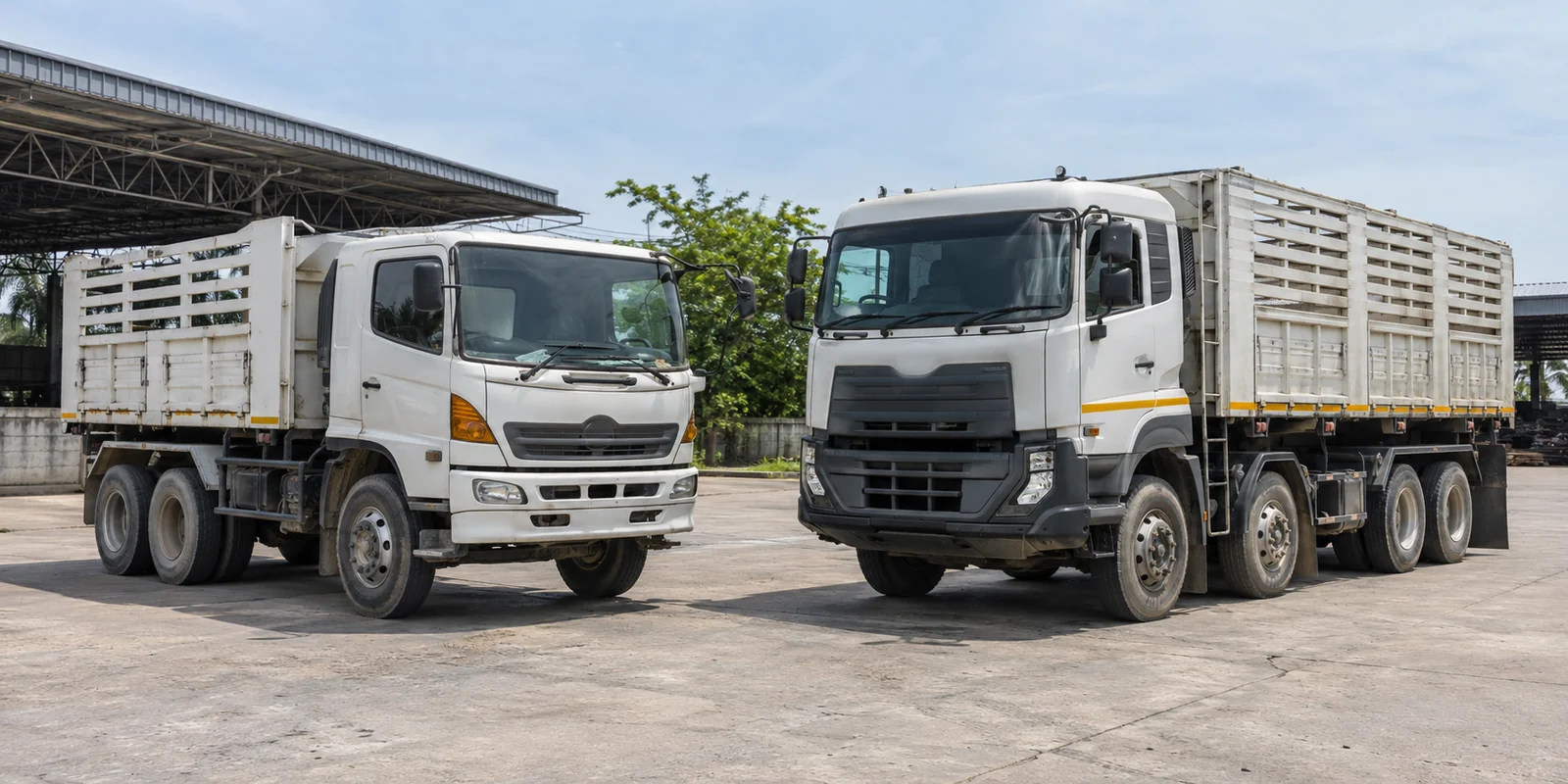
Request the completed-vehicle weight certificate, axle-load distribution with the proposed working load, tank or box volume, wheelbase, dimensions, steering side and registration documents. Define road and bridge restrictions for the operating area. Put the permitted working load and acceptance weighing method in the technical agreement, especially when options change mass. A tank label, sales brochure or foreign-market rating should not be substituted for the locally applicable approval.