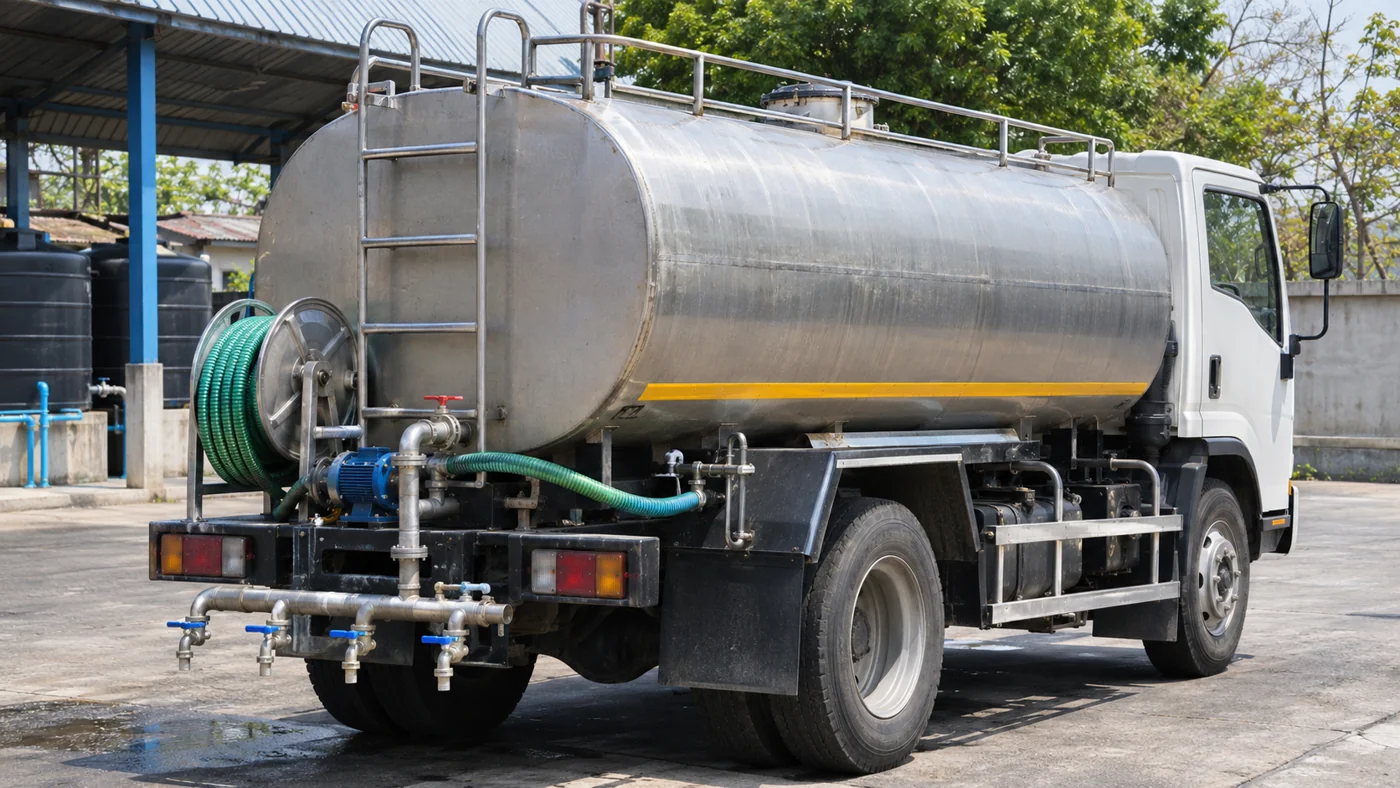
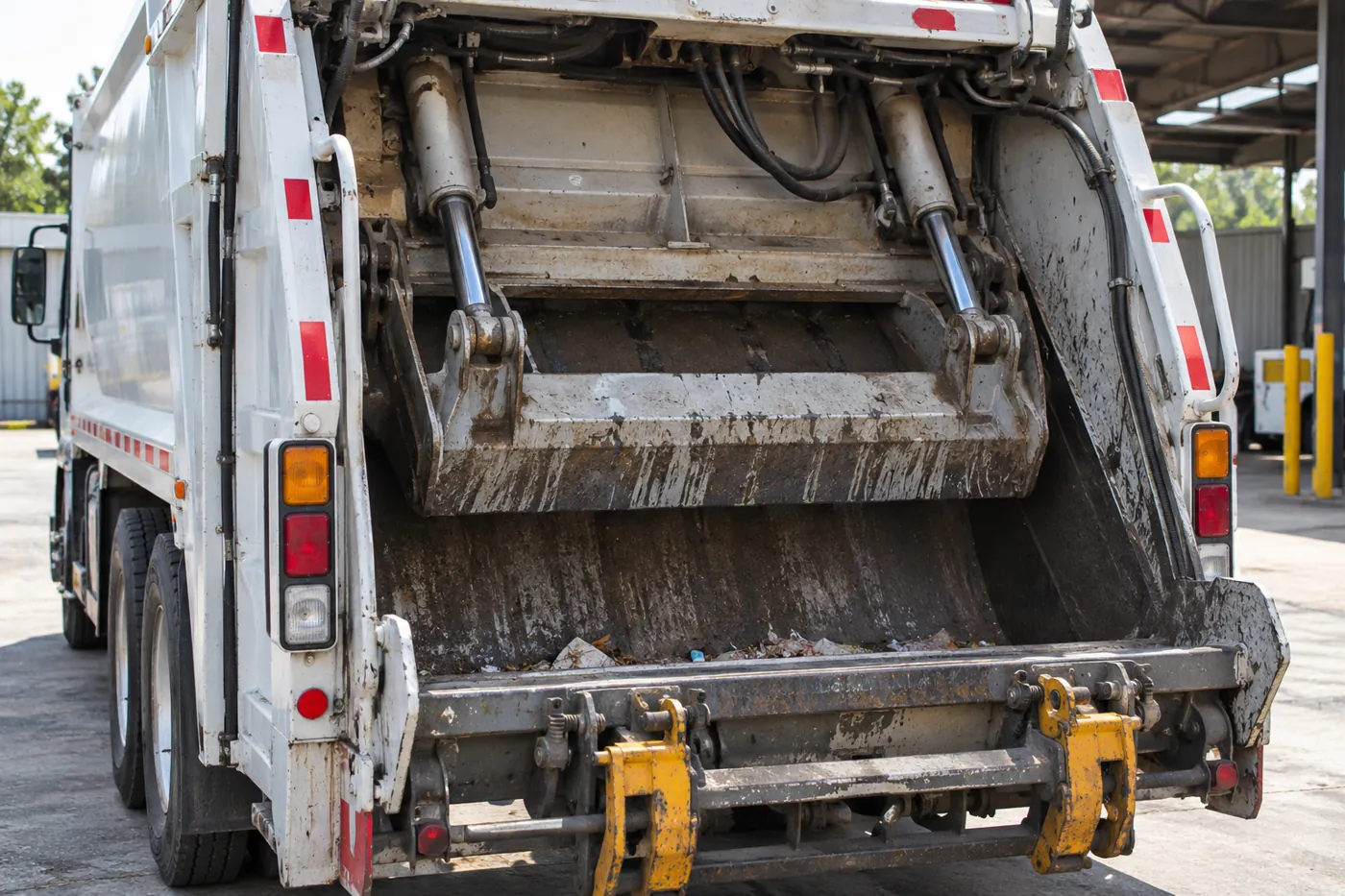
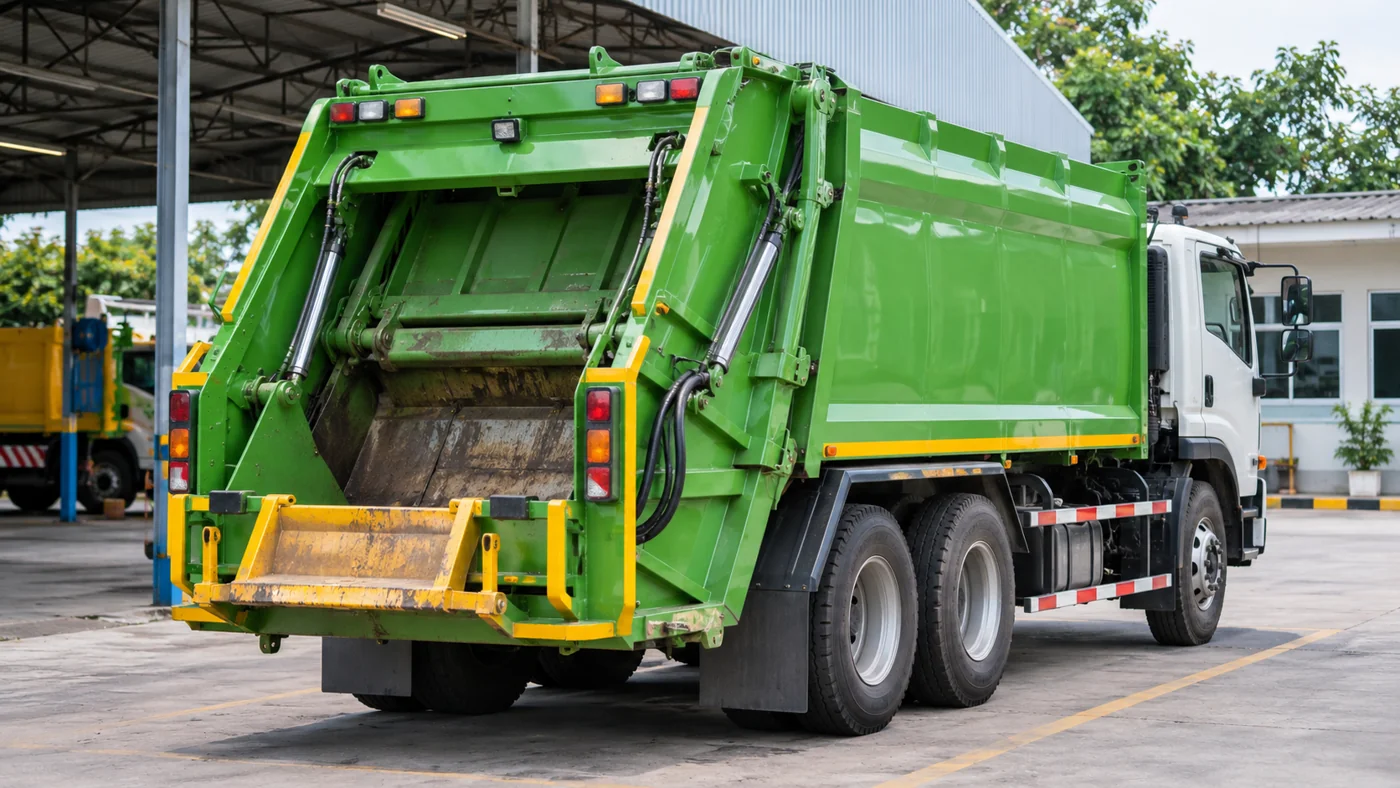
Budgeting for special-purpose vehicles starts with the job, routes and workload. Compare vehicles and quotations on the same scope: water tankers, garbage trucks, vacuum trucks, aerial platforms and ambulances have different equipment and operating requirements.
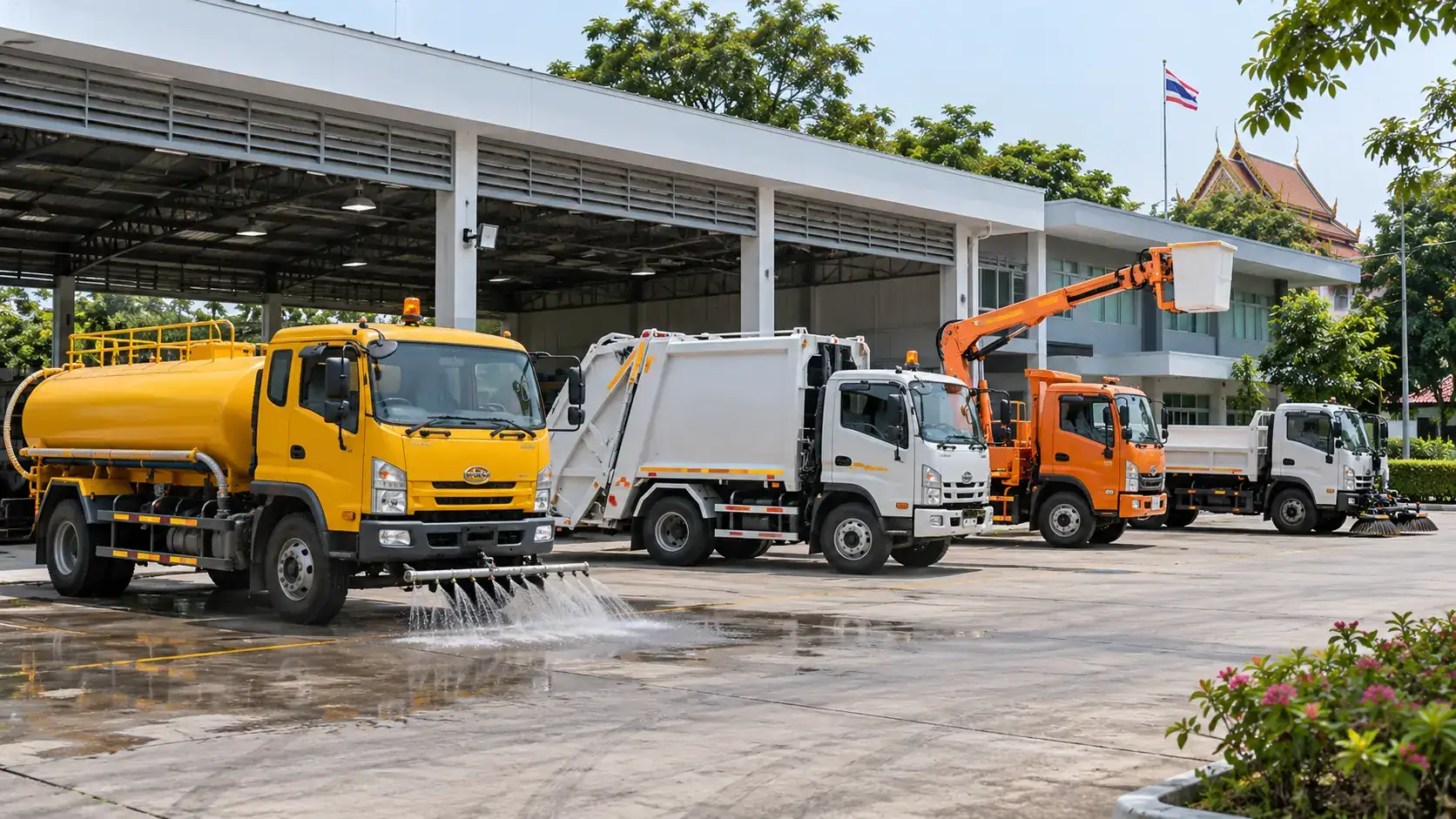
Start with the job and workload
Describe the daily task, route, site constraints, operators and quantity of work. Select the required capacity or operating capability while considering the finished vehicle's gross and axle loads. A water tanker requires a filling plan and suitable nozzles; a garbage truck requires compatible containers, waste types and collection points.
Match the vehicle to the application
- Water trucks for water distribution and pump-based work.
- Garbage trucks for collection and transport matched to containers and routes.
- Vacuum trucks for compatible liquid or sludge collection and transport.
- Crane and aerial trucks for lifting or work at height.
- Ambulances configured for the intended patient-transport role.
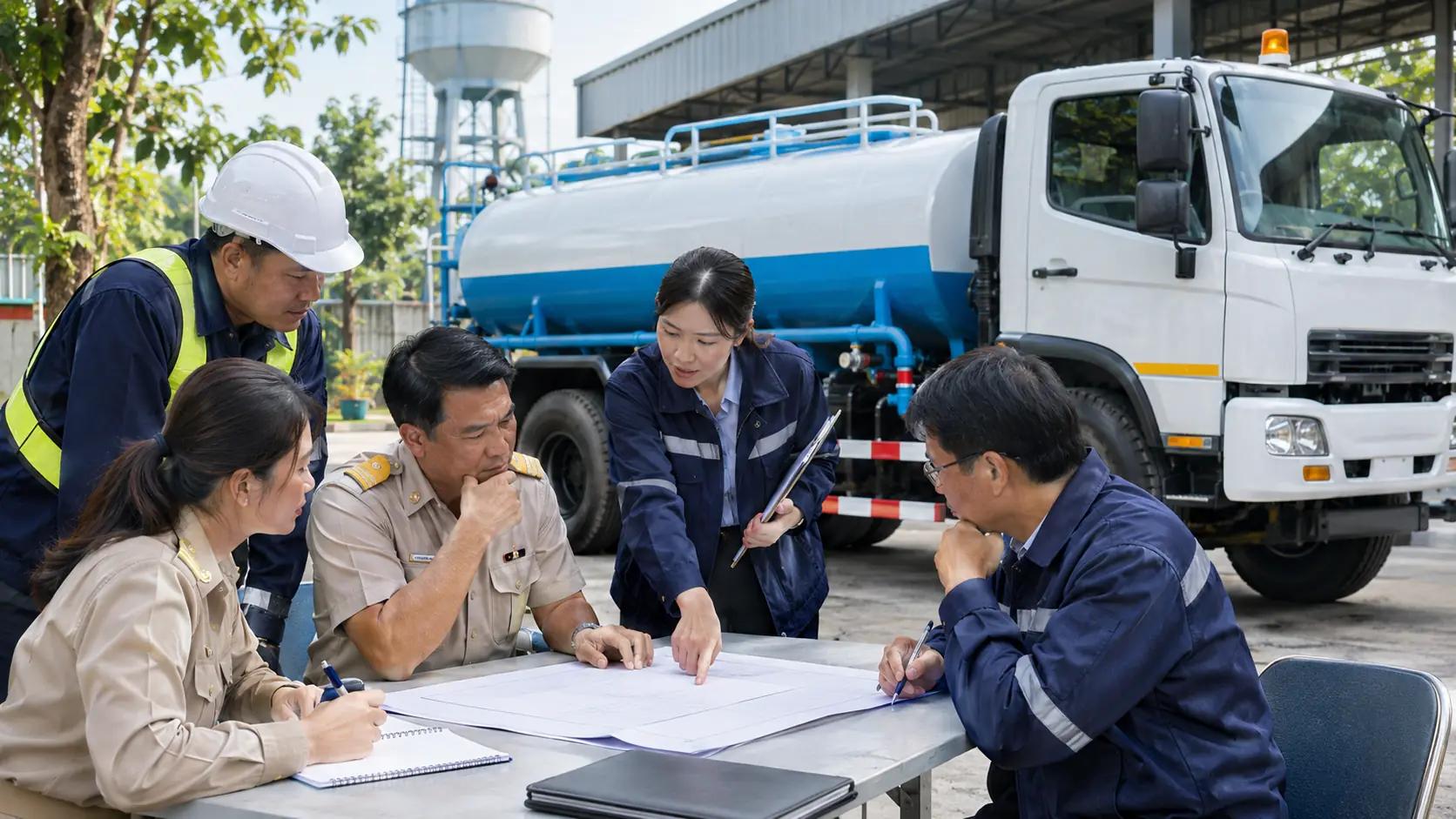
Separate the budget components
List the chassis, body, working system, options, training, spares, transport, taxes and documents. Compare bids using the same scope and state the currency, trade terms, inclusions, exclusions, quotation validity and delivery schedule.
Apply the project's procurement requirements
Use the specification and budget reference applicable to the purchasing organisation and project. Align vehicle type, capabilities, equipment and delivery scope with the project documents. For Thailand, specify right-hand drive and the relevant emissions, weight and registration requirements in the purchase specification.
Request comparable quotations
Give each supplier the same task, capacity, routes, vehicle quantity, equipment, destination port and required delivery schedule. Read our six-wheel rear-loader guide and water truck price factors, then send the details for a quotation.
Example for project planning: 5,000 L water truck.