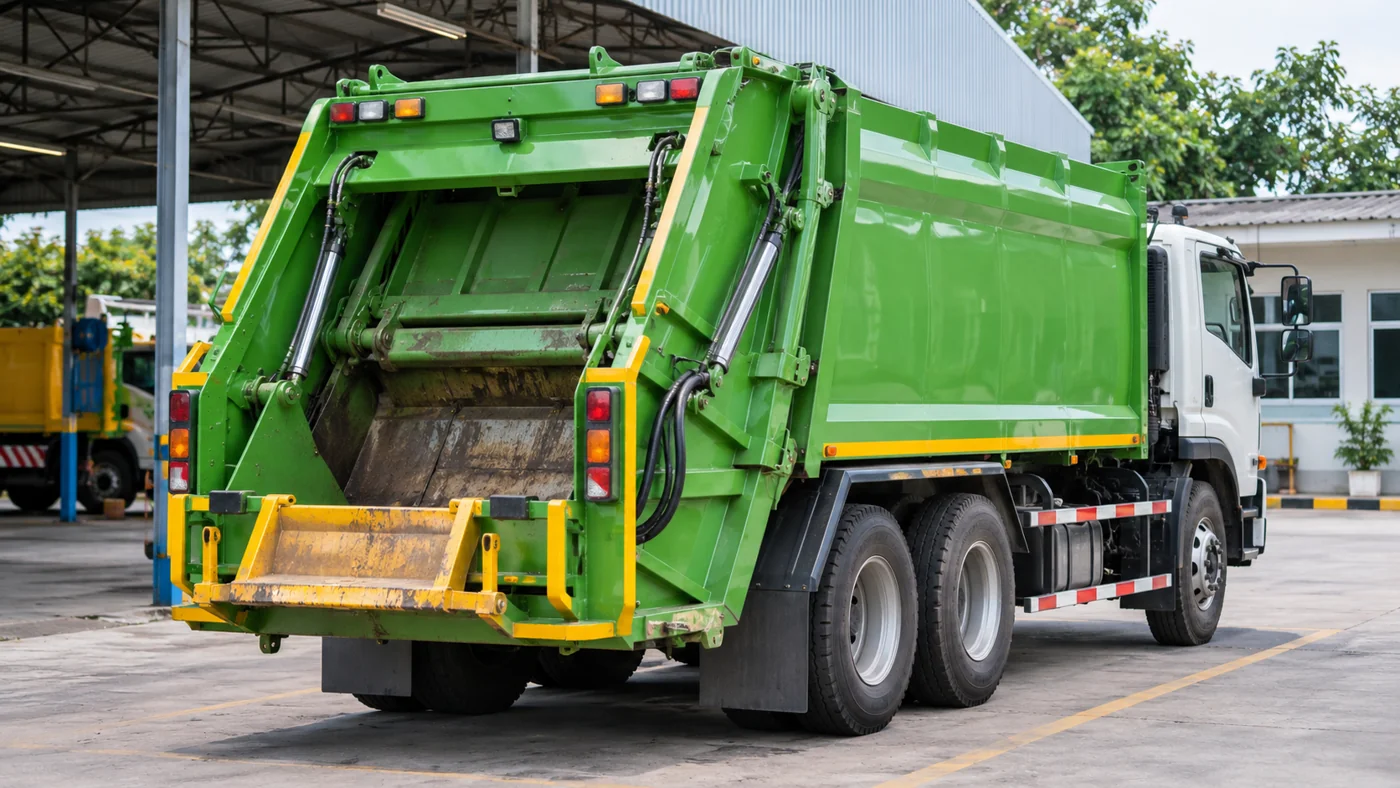
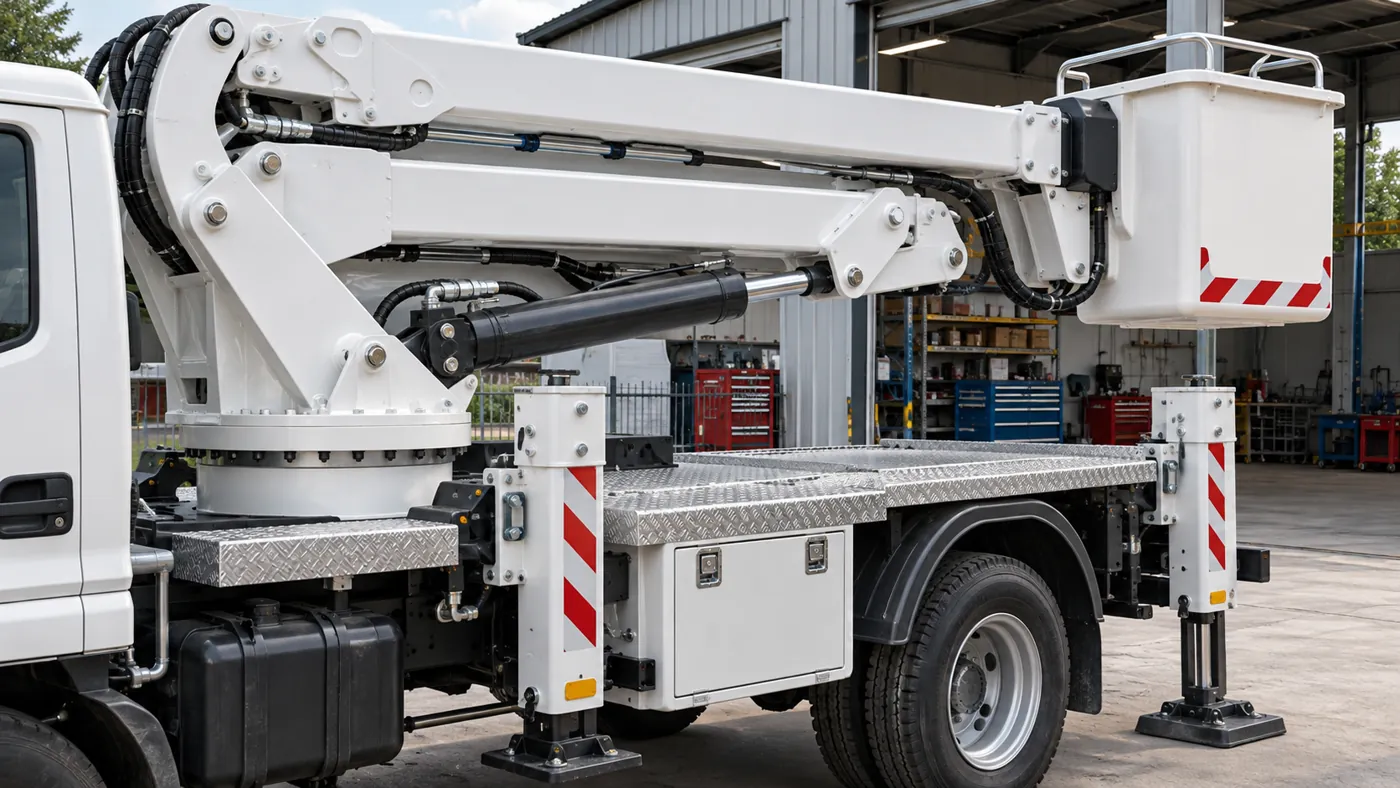
A useful rear-loader garbage truck specification connects route needs to measurable requirements and explains how each item will be inspected. The framework below can be adapted to the project and the purchasing rules applicable to the organization.
Start with the work and route
Record waste volumes and types, collection points, street widths, turning space, distance to disposal, working hours and crew size. These details help define the vehicle size, body volume and bin-lifting equipment.
Body volume is not the same as permissible waste payload. Request the weight of the equipped vehicle and crew and check gross and axle weights for the vehicle and route. See the truck weight guide and six-wheel rear-loader guide.
Example requirements and acceptance checks
| Item | Specify in the TOR | Acceptance check |
|---|---|---|
| Chassis and cab | Right-hand drive, vehicle dimensions, seats and required weights | Compare identification and documents; inspect seats and belts |
| Body and hopper | Body capacity, dimensions and material thickness for the work | Compare drawings and measure agreed points with suitable tools |
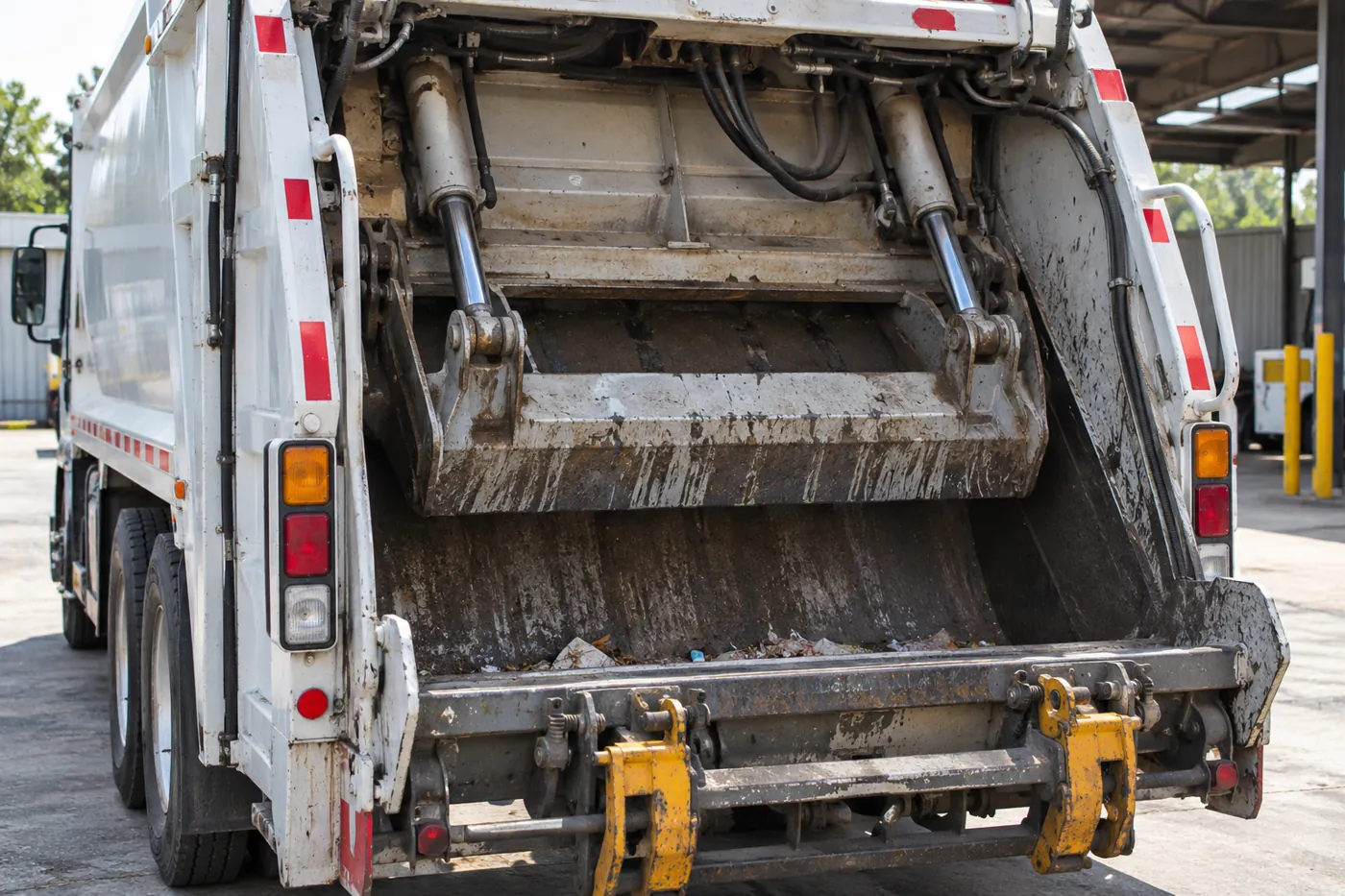
| Compactor and ejector | Operating sequence, controls and safety features | Test the agreed sequence and stop controls |
| Hydraulics | Required performance and system documents | Inspect operation and leaks; measure as agreed |
| Bins and lift | Bin dimensions, attachment points and compatible interfaces | Test against the project sample bin |
| Lights, cameras and documents | Equipment, manuals, parts and service conditions | Test each item and check delivery documents |
Make each requirement verifiable
Replace broad phrases such as “high quality” with the required performance, measurement method, test points, conditions, supporting documents and acceptance criteria agreed for the project. Record the operational reason for any specific dimension or material and review whether the criterion fits the work.
For Thailand, specify right-hand drive and request documents relevant to the proposed chassis, body, registration, weight and emissions. Define supplier qualifications, production conditions, local service and documentation according to the project requirements.
Acceptance-day checklist
- Compare vehicle identification and chassis documents with the offer and delivered vehicle.
- Inspect steering, seats, belts, vehicle dimensions and working clearance.
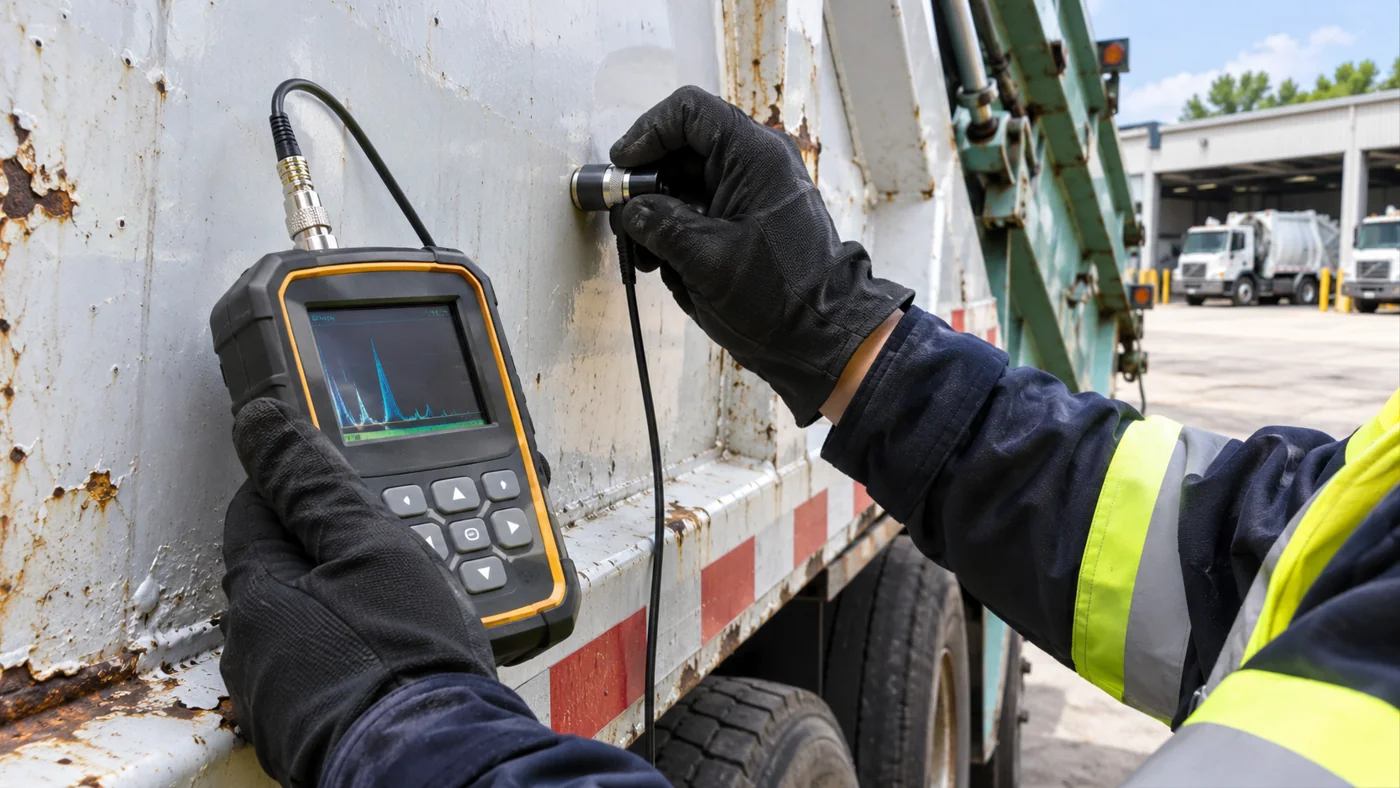
- Measure the specified points and compare body and hopper dimensions with the delivered drawings.
- Test compaction, ejection, locks, lights, cameras and emergency stops against the plan.
- Check leaks, mountings, leachate tank and bin-lift compatibility.
- Weigh the equipped vehicle under the agreed conditions and assess the remaining payload.
- Check tools, manuals, parts, training and warranty terms against the contract.
Compare vehicles and budgets
Models differ in body volume and weight; the same wheel count does not automatically make a vehicle suitable for the same TOR. Review the six-wheel rear-loader for community routes and compare its documents with the project specification. Also read the budget and quotation guide and municipal garbage truck selection guide.
Frequently asked questions
Where should the TOR start?
Start with the actual work, route, waste volumes and acceptance method, then specify the equipment and documents needed for the project.
How can bids be compared?
Give suppliers the same requirement table and ask each to state its offered values, supporting documents and any deviations.
What should buyers provide for a quote?
Provide waste type, route, bin size, fleet quantity, required equipment, delivery point and schedule via the contact page.