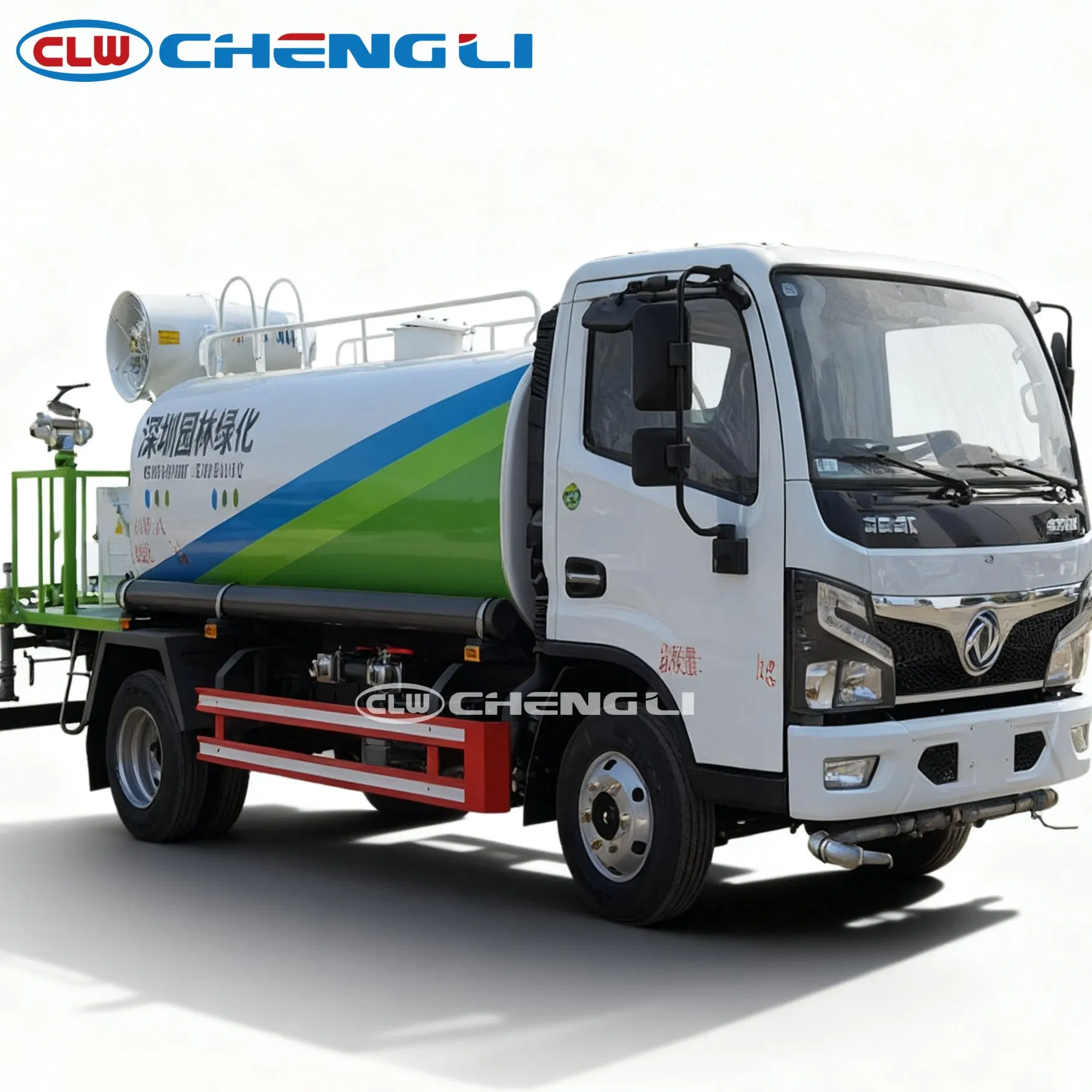
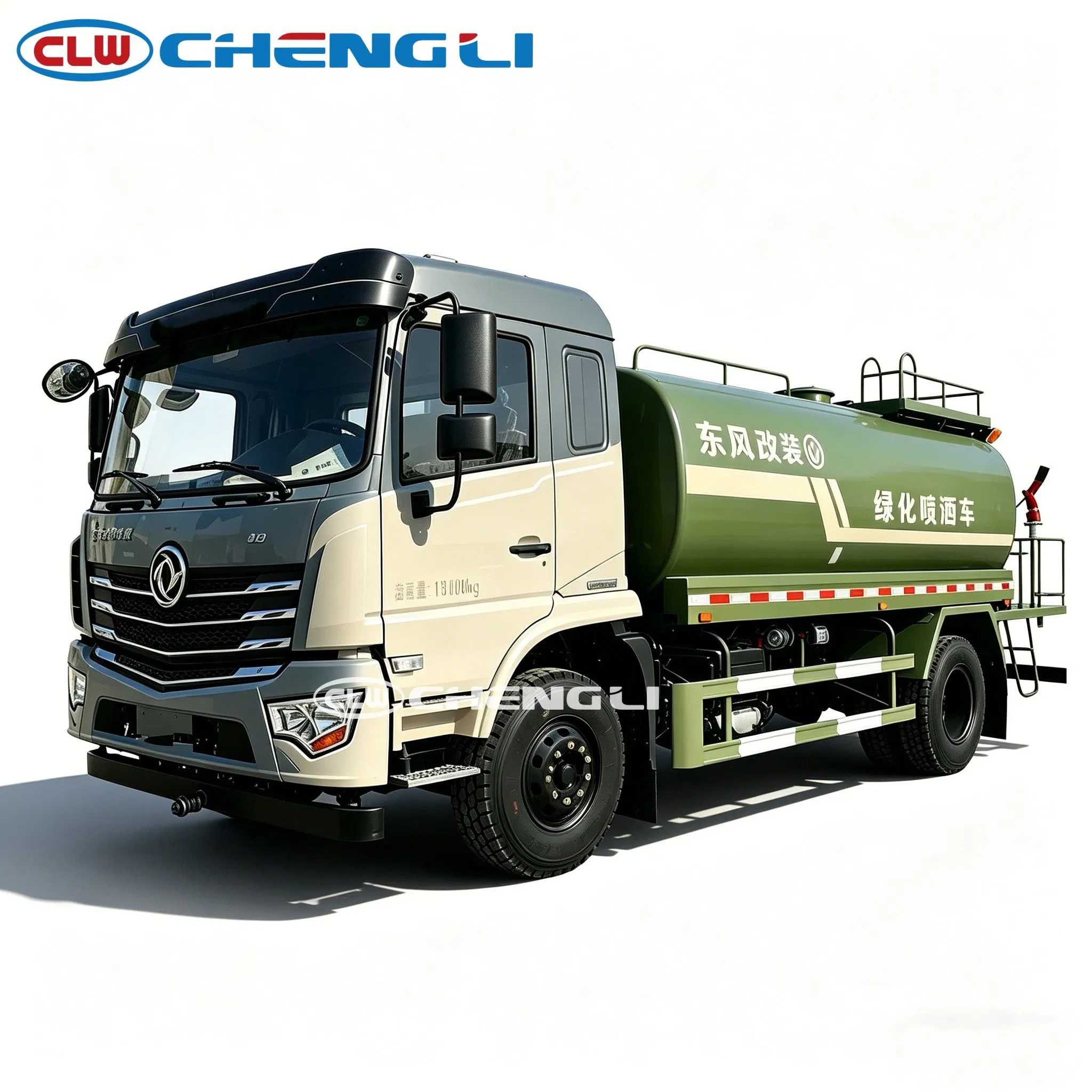
Drafting a TOR for a six-wheel 6,000-litre water truck starts with the work, route and water required per trip. Define measurable performance and acceptance methods. For projects in Thailand, specify right-hand drive and keep operating weights within the limits applicable to the vehicle and route.
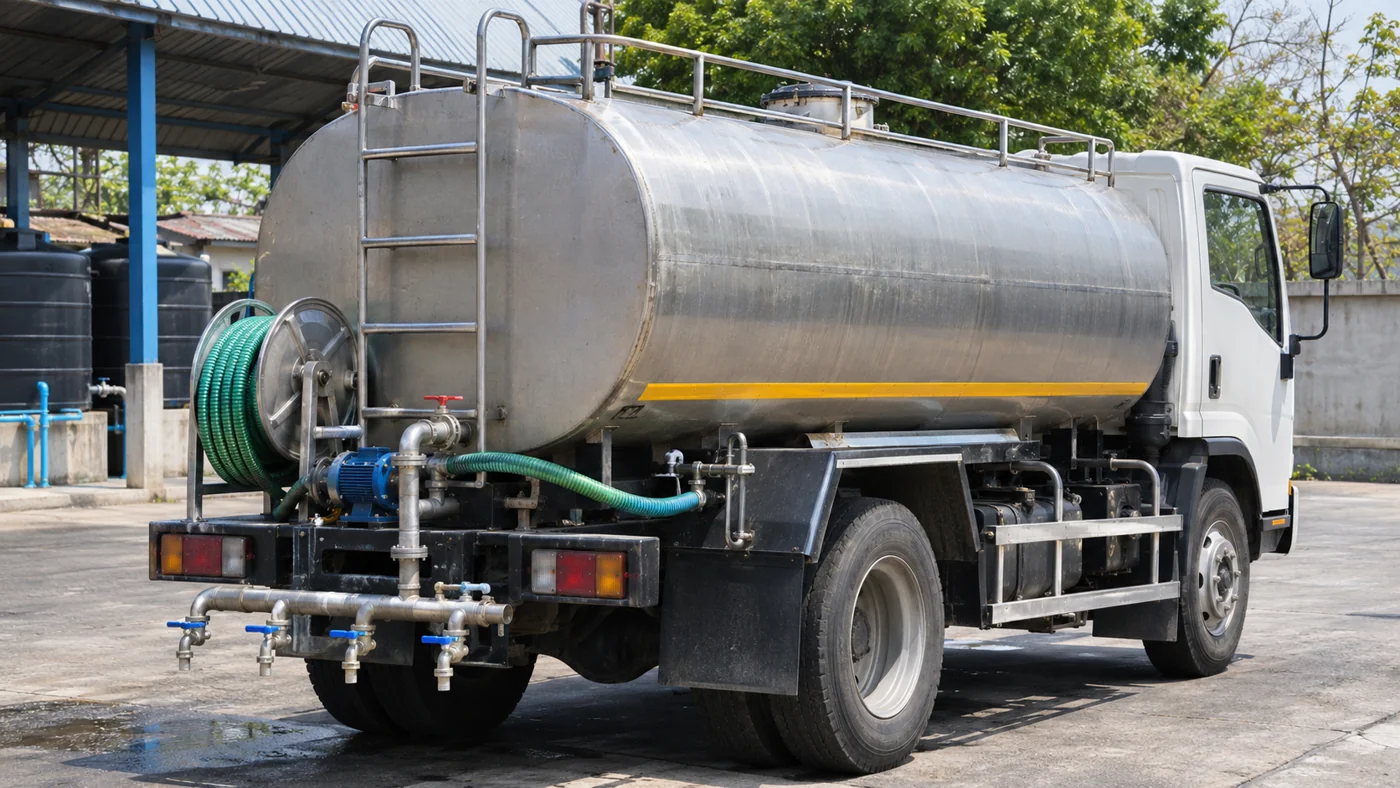
Define the work before the specification
Describe the main work, such as watering, road washing or water delivery, the trip distance, filling points, turning space, road width and working hours. Tank volume alone does not determine the safe water payload.
Record the weight of the truck with tank, pump, equipment, fuel and crew, then compare gross and axle weights with the vehicle documentation and route requirements. See the truck weight guide.
Example TOR items and acceptance checks
| Item | What to specify | Acceptance check |
|---|---|---|
| Chassis | Right-hand drive, dimensions, gross and axle weights | Inspect vehicle, identification and chassis documents |
| Water tank | Capacity, materials, corrosion protection and baffles | Review drawings and check volume and agreed measurement points |
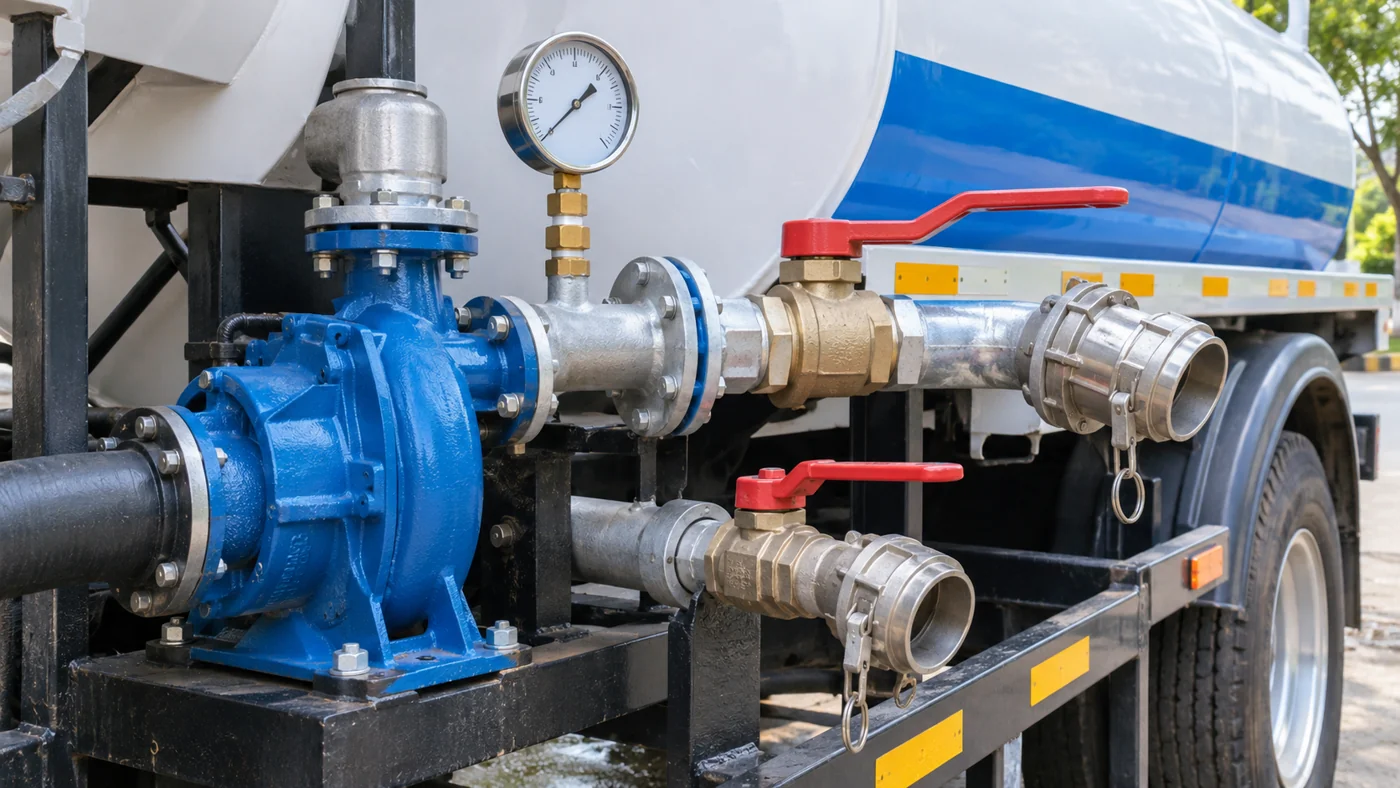
| Pump | Type, flow at a specified pressure and drive | Test flow and pressure using the agreed method |
| Nozzles and couplings | Locations, spray patterns and hose compatibility | Operate and connect to the project equipment |
| Operating weight | Vehicle, equipment, crew and planned water load | Weigh under the agreed conditions and check axle loads |
| Documents and service | Manuals, parts, training and warranty conditions | Check deliverables against the contract |
Make pump and nozzle requirements measurable
Specify flow and pressure together, along with measurement points, instruments, test conditions and duration suitable for the work. If a monitor or multiple outlets are needed, define rotation, spray patterns, controls and safe access.
Acceptance checklist
- Check documentation, chassis identification, right-hand drive and dimensions.
- Review tank drawings, materials, mountings and volume using the agreed method.
- Weigh the equipped vehicle and crew and assess water payload against vehicle and route limits.
- Test the pump, nozzles, valves and connections; inspect leaks and controls.
- Check lights, tools, manuals, parts, training and warranty against the contract.
Compare models and budgets
Select tank size against actual work and weight rather than model name or wheel count alone. The 5,000-litre right-hand-drive water truck has a smaller tank than the 6,000-litre example and is useful for comparing size and route access; it is not presented as meeting this TOR.
Read the municipal water truck selection guide and water truck price guide to plan a budget that includes equipment, delivery, maintenance and project documents.
Frequently asked questions
Can every 6,000-litre tank be filled completely?
It depends on equipped vehicle and crew weight, axle loads and the limits applicable to the vehicle and route. Weigh and calculate under actual operating conditions.
Why specify both pressure and flow?
Together they describe pump performance at the required operating point and provide a clear basis for acceptance testing.
What information is needed for a quote?
Provide the main work, water volume, route, equipment, fleet size and delivery point via the contact page.